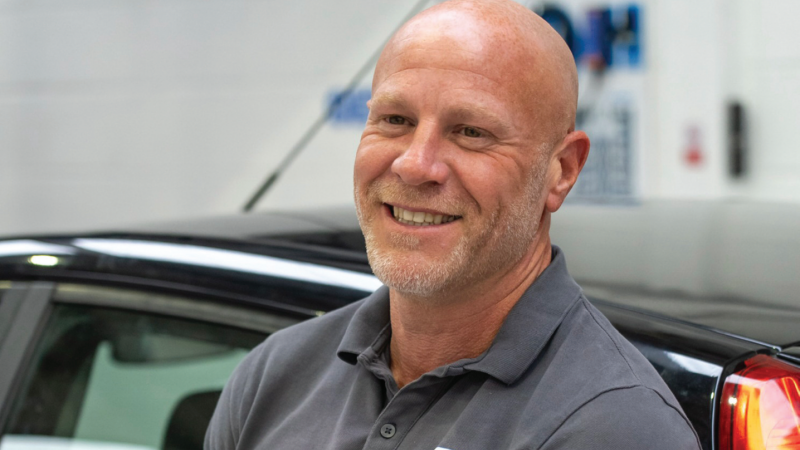
Ross Laurence, managing director of the MOT Compliance Group, discusses how easy it is for honest, hard-working garages to fall foul of compliance in their MOT duties.
If you asked most independent garage owners whether their MOT operation complies with DVSA requirements, most would answer without hesitation: “Yes.” That is exactly the answer we hear from many of the businesses our consultants visit before carrying out an independent compliance review.
Over the past twelve months we have reviewed hundreds of MOT businesses across England, Scotland and Wales. The overwhelming majority were not dishonest, were not trying to manipulate the MOT scheme and were not deliberately ignoring the rules. They simply believed they were compliant because nobody had independently challenged whether their processes, records, governance and legal structure still met current DVSA requirements.
That is the hidden risk.
Compliance is no longer simply about carrying out a good MOT. It is about demonstrating that every aspect of the operation continues to satisfy DVSA expectations and, more importantly, being able to evidence that when challenged.
The Quality Control that wasn’t
One garage had documented Quality Control inspections, completed paperwork and management oversight. Everything appeared correct until our review identified that the individual carrying out the inspections was no longer currently qualified in that class of vehicle.
Nobody was attempting to avoid the rules. The individual was experienced and had previously held the qualification. However, DVSA requirements are clear: Quality Control must be completed by someone currently qualified in the class of vehicle being inspected.
The garage corrected the issue immediately. The process existed, but it no longer met current requirements. Without an independent review, management would never have known.
The Test Quality Information nobody reviewed
Another review involved a business whose Test Quality Information looked entirely normal. Failure rates were consistent, testing times appeared reasonable and there were no obvious warning signs.
The issue was not the reports themselves. Nobody could demonstrate when they had last been reviewed, whether unusual trends had been investigated or whether management action had been taken.
During a separate review, analysis of Test Quality Information highlighted unusual testing activity that management had not previously identified. Further investigation enabled the business to review those tests immediately and address the issue before it became something much more significant.
With the DVSA self-assessment now asking businesses when Test Quality Information was reviewed and whether unusual or spurious tests have been investigated, simply producing reports is no longer enough. Evidence of management oversight is becoming just as important.
When compliance has nothing to do with testing vehicles
Some of the most significant compliance issues we identify have nothing whatsoever to do with MOT testing.
One business preparing for sale believed it had traded correctly as a limited company for well over a decade. Our review identified that although the business had incorporated years earlier, DVSA had never been notified and the limited company had never become the Authorised Examiner. The MOT station was operating under the wrong legal entity.
Working with the owner, we corrected the documentation, submitted the required applications and ensured the DVSA records reflected the correct Authorised Examiner before the sale proceeded.
The governance issues nobody expected
In another case, DVSA still recorded the business as a partnership despite one of the named partners having died more than ten years earlier.
Elsewhere we identified new company directors who had been appointed without a VT01 ever being submitted because the owner assumed Companies House would notify DVSA automatically. It doesn’t.
We have also found businesses where accountants changed the registered office address with Companies House but nobody informed DVSA.
None of these businesses intended to mislead the regulator. Every one believed everything was correct because nobody had independently checked.
One of the biggest challenges our consultants now face is not deliberate non-compliance, but misinformation. It is increasingly common to hear businesses confidently repeat advice they have read on social media or online forums as fact. Unfortunately, much of that information is incomplete, out of date or simply wrong. Our consultants continually monitor DVSA updates, policy changes and operational guidance so that the advice we provide reflects current requirements rather than internet opinion. Compliance decisions should always be based on current evidence and official guidance, not hearsay.
What every review teaches us
Although every business is different, the same themes appear repeatedly. Good garages naturally focus on customers, technicians and repairing vehicles. Compliance administration quietly sits in the background. Staff change, businesses expand, responsibilities move between people and procedures gradually drift away from current expectations.
Almost every significant issue we identify is one management genuinely didn’t know existed.
Independent validation provides something businesses cannot easily achieve themselves: an objective assessment by someone with no preconceptions about how the business operates.
Why the reviewer matters
Every consultant within MOT Compliance Group remains a currently qualified MOT Tester in the vehicle classes they support. Many are also former DVSA Vehicle Examiners and Vehicle Examiner Managers.
That combination means advice is based not only on regulatory experience but also on today’s testing standards and current competency requirements.
Looking ahead
The MOT scheme will continue to evolve. Technology will develop, regulatory expectations will change and businesses will continue adapting.
Most garages do not deliberately fall out of compliance. They simply continue doing what they have always done while the regulatory landscape moves around them.
The purpose of an independent compliance review is not to find bad garages. It is to give good garages confidence that their systems remain compliant, that hidden risks have been identified before they become problems and that, if DVSA asked the question tomorrow, they could evidence exactly what they had done and why.
In our experience, many of the compliance issues we identify don’t arise through negligence they arise because businesses have acted on advice that was simply wrong.
If there is one lesson we have learned from reviewing hundreds of MOT businesses, it is this: good intentions do not prove compliance. Evidence does.