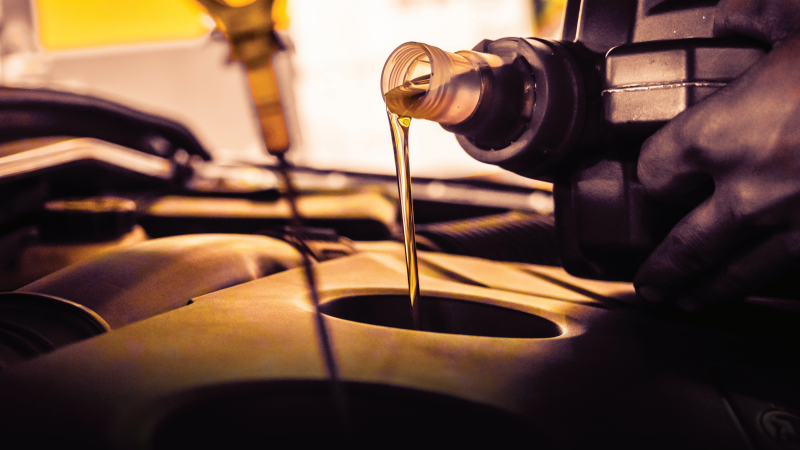
The VLS is urging motorists not to put off vital oil changes as surging fuel costs bite.
Independent body, the Verification of Lubricant Specifications is warning motorists not to put off essential oil changes and top-ups, despite the economic impact of the war in Iran.
According to the Government’s weekly road fuel prices report, the cost of diesel has risen 35 per cent in nearly two months, while petrol is up 19 per cent. Compared to last year, petrol prices are up 23.4 pence per litre and diesel prices are up 49.8 pence per litre. This rise in fuel prices puts direct pressure on household budgets and this pressure is expected to continue for months to come as prices for energy, food, and flights keep rising.
Darren Frogson, chairman of VLS, said: “We know that UK households are feeling the impact of the Iran conflict. But postponing or skipping oil changes, ignoring the oil warning light or using an oil beyond its serviceable life is a risk we are asking motorists not to take. Doing so could starve the engine of vital lubricants, risking increased wear, deposit formation and corrosion and, at worst, a catastrophic event such as an engine seizure, which could lead to a much more expensive repair. OEMs set oil change schedules for a reason. They know their engines, how they run on certain fuels and in specific regions and they know how the engine oil, as well as other consumables, perform over time and mileage.”
Workshops are the front line and can play an important role in helping customers understand just how vital oil servicing is.
“Customers might think oil change and filter replacement don’t really matter. But sticking to the recommended service interval is crucial for maintaining and protecting the vehicle, which is likely to be worth a lot more than the cost of the oil change.”
DIY? Think twice
VLS is also concerned about motorists who are looking to complete an oil top-up and change themselves to save money but lack the necessary skills or information.
“Engine oil is an increasingly complex area, yet it’s more important than ever to select the right lubricant. Modern vehicle engines require sophisticated lubricants using advanced chemistry. Even the slightest change in the formulation can cause engine damage over time. It’s important to look beyond the viscosity to ACEA and OEM specifications. If in any doubt, motorists should always refer to the vehicle handbook or consult the OEM.”
A potential influx of lower-priced lubricants could be on the horizon, as manufacturers seek to manage rising raw material costs and margin pressure.
“If a lubricant sounds or looks too good to be true, it is always worth checking,” adds Darren. “Saving a few pence in the short term could create much more expensive issues in the future. Poor-quality or the wrong oil can damage emission control systems and accelerate wear in gears and bearings, leading to increased maintenance costs. Don’t be afraid to question products and suppliers to ensure they really can deliver what they claim, or report them to VLS for investigation.
If your usual brand is not available, ensure you select an alternative that meets the technical specification, not just matches the viscosity. Always refer to the owner’s manual for details and check with the vehicle manufacturer if needed.”
VLS is an independent organisation that provides a credible and trusted means to verify lubricant specifications, brings transparency to the lubricant marketplace, and protects and educates end users.
If you have any concerns about a lubricant, you can report them to VLS by calling 01442 875922 or emailing admin@ukla-vls.org.uk.