Think those rubies in the rubble are a waste of time? Well, JLM is here to tell you how you could be coining it in by offering vintage vehicles a new lease of additive-powered life.
According to the RAC Foundation, the average car in the UK is the oldest it has ever been. As of December 2025, the average car was nine years and 10 months old. 10 years ago, the average age of a car was only seven years and five months. For petrol and diesel cars, their average age is even older: 10 years and four months and 10 years and one month, respectively. The RAC Foundation believes that one of the reasons for this ageing car par is that cars now last longer. Commenting on this, Steve Gooding, the transport research charity’s director said: “The days of them rusting away before your eyes are well and truly behind us. Even a 20-year-old car with a full-service history can be a good bet for someone seeking a bargain buy that still looks up to date.”
As a time-served, professional technician I would imagine you’re seeing some of these older vehicles in your workshop, set against the worrying trend of motorists delaying vehicle servicing or avoiding it altogether. In some cases, parts are hard to source with delivery often weeks or months away.
It’s the perfect storm, of course, with the naive motorist paying for their desire to cut costs and so cut big corners by ignoring vehicle servicing. An ageing vehicle, poorly maintained with a patchy or non-existent service history is not going to make that last gasp or even reach its potential full lifespan.
A race to the bottom
Commenting on this, Mike Schlup, MD of Kalimex, the UK distributors of the JLM Lubricants range of automotive additives said: “We know from the number of calls and messages we’re receiving every day from motorists and from technicians, that the demand for additives has risen as vehicle servicing has plummeted. In some ways it’s great news that the professional technician has cottoned on to the fact that in some cases a premium trade-tested additive can tick a box for vehicle maintenance, even a repair over a part. Most technicians now see how additives fit into the bigger picture of repair over replace and products over parts. However, the economic backdrop is not good and chatting to technicians in the last few days, I can’t see it changing this year. With fuel bills still high, the cost of living increasing and wages in some sectors stagnating, many motorists will only take their vehicle to a technician when it has a major problem they cannot fix.
“What this points to is the pressing need for technicians to be strident in tone and firm of voice when promoting their expertise and when talking to customers about the folly of DIY repairs and sporadic servicing. And they must partner with additives brands like JLM Lubricants, with a strong record of developing products with the highest concentration of active ingredients. The market remains flooded with cheap as chips products, which most technicians are taking a stand against. Reassuringly for all, research from Castrol, indicated that motorists look to their technician to recommend high quality additives and despite their overall reluctance to spend money on their vehicle, they recognise the value in paying more for an additive if the technician explains the benefits to them.”
Selling additives to customers
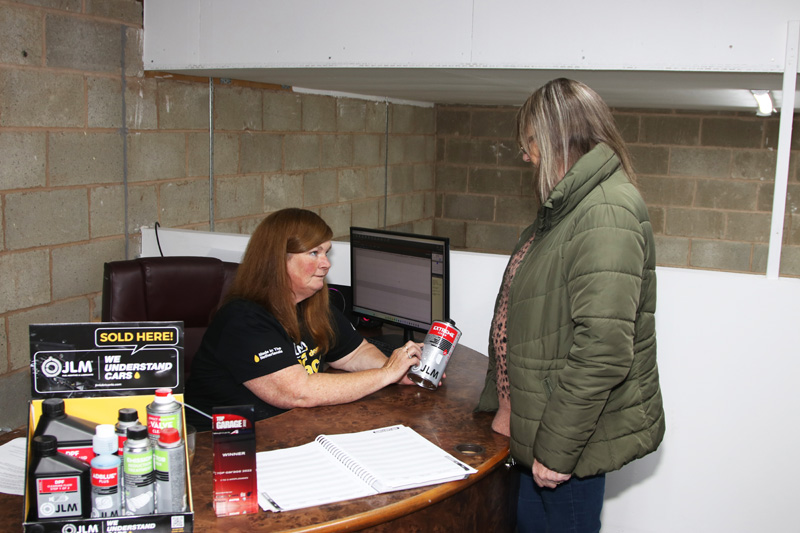
Every encounter with a customer, new, old, returning, occasional and regular – is an opportunity to talk about the additives you’ve used on their vehicle, why you have used the brand, as well as the additives you recommend in between workshop visits. Build this extra time into your schedule and watch your sales rise. Be like the award-winning AJ Fleetcare and ensure that your front of house team is involved in product training so they can talk about products at vehicle collection time. Having the additive in your hands when talking to a customer will focus their mind. If you can explain the headline benefits, for example: Improving performance, reducing power loss, extending the life of the DPF, improving fuel consumption, extending engine life and so on, you’re less likely to encounter resistance, more likely to be given a fair hearing. Demonstrate how they can use the product, so they realise they don’t have to be a pro like you to get professional standard results. If you know your customer is likely to fall into the category of delaying servicing, aim to sell them more than one unit, again explaining how frequently they should dose their vehicle. Talking about the JLM DPF Cleaner, for example, with a customer, how they should use it at the first sign of a DPF warning light and then comparing the modest outlay for this product with the cost of a professional DPF clean, is an eye opener. Similarly, the JLM Pre Test Emission Fixer (petrol and diesel) make for powerful conversations. If a customer knows that by adding a can before their vehicle has its MOT, it can bring emissions within legal limits, again, they’re more likely to buy the product in multiples.
“Everything comes down to technicians standing in their circle of expertise and power,” continues Mike. “Explaining to customers why a reluctance to bring their vehicle in for scheduled servicing or at the first sign of a potential problem, is a false economy, if they want to keep it in good working order, on the road for longer. A workshop plays a key part in extending vehicle life, which today is the Holy Grail for many motorists. Technicians should not be afraid to talk about this.”
JLM’s top five picks
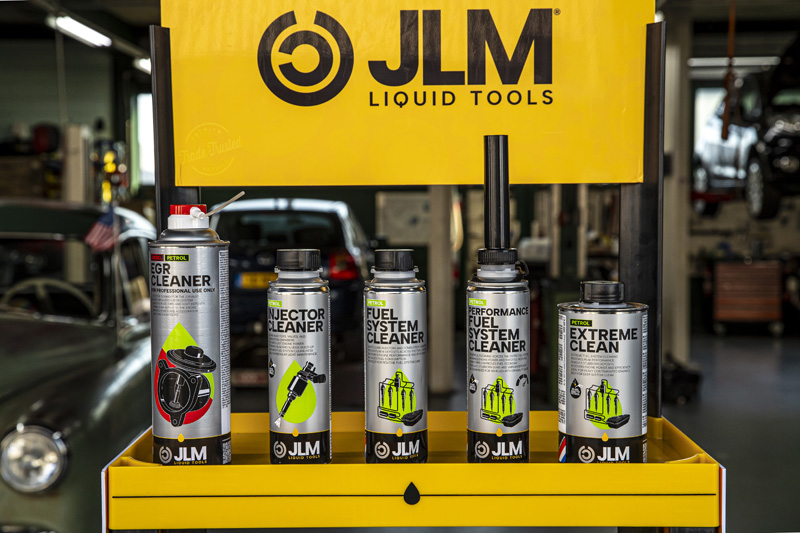
Pre Test Emission Reduction Treatment: Avoid unnecessary MOT failures with this powerful in-tank additive. Dedicated formulas for petrol and for diesel act fast to remove carbon deposits throughout the fuel, combustion, and exhaust system, helping to reduce emissions and protect components including the CAT and DPF.
DPF ReGen Plus: For older diesels now running shorter journeys, this product assists regeneration where exhaust temperatures are struggling to reach full operating temperature. This helps to burn off trapped soot at a lower temperature, promoting the DPF and preventing premature failure.
Diesel Extreme Clean: If a motorist doesn’t want to commit to regular additive treatments, one dose of this product will clean the internals of the vehicle fuel, combustion, and exhaust system, including the turbo, EGR and DPF. Perfect spring clean on older, unloved diesels.
GPF Petrol Cleaner: More modern petrol engine cars incorporate a gasoline/petrol particulate filter into the exhaust system. As these vehicles come onto the used car market, this product will help protect the filter in the long term and prevent unnecessary parts failures.
Performance Fuel System Cleaner: Recommended for regular care and maintenance of the fuel system, including injectors. Offer to customers as a bundle to last until the next service. For example, four applications would last a year for average mileage vehicles.