Mike Schlup, MD of Kalimex, the UK Distributor of JLM additives, provides an overview of how high-quality additives came to be the industry’s go-to product to keep customers’ cars running their best.
UK workshops are increasingly using and upselling high-quality additives, driven by customer retention, cost-saving benefits and changing consumer attitudes. This is something Kalimex have reported on and extensively so, in this very magazine for two decades.
Most recently, with the UK car parc ageing (the average vehicle is now 8.8 years old with many drivers keeping cars for 20 years) additives have finally taken their seat at the top of the table. This has created strong opportunities for workshops to recommend premium lubricants and additives that extend vehicle life, reduce repair costs, and improve performance.
Let’s dig further into the soaring popularity of premium quality additives.
-
Customer retention: Workshops are being more strident in carrying the message of servicing over repair. This introduces more opportunities to recommend trade trusted additives alongside routine maintenance. And customers can use additives in between workshop visits to keep their cars motoring nicely at a reasonable cost.
-
Cost-saving perception: Additives can help reduce wear, improve fuel efficiency, and prolong component life, making them attractive to cost-conscious motorists. For mechanics, being able to recommend an additive they can stake their reputation on, in some cases over a part or a repair, is a credible option.
-
Changing consumer attitudes: Castrol research for example, revealed that 51 per cent of motorists would welcome more expensive, premium additives if the benefits were explained to them by their mechanic, compared to only 11 per cent who would always choose the cheapest option. The door is wide open for mechanics to recommend premium brands such as JLM Lubricants additives — Liquid Tools as they are widely known for.
-
Marketing focus: Many UK workshops are now positioning themselves as ‘products over parts’ and ‘repair over replace’ using targeted local marketing and regular marketing to existing customers to highlight additive benefits.
Additives are a popular solution for enhancing engine performance, extending engine life, and preventing common automotive issues. Whether a motorist is driving a brand-new car or managing a high-mileage vehicle, adding the right additive can offer measurable benefits. The trusted mechanic is best placed to convey these important messages to their customers and to offer the right additives for use in between servicing and MOTs.
What’s more, the soaring cost of living continues to encourage motorists to hang on to their cars for longer, pushing up mileages and putting increasing strain on aging engines. It’s a perfect storm making additives an increasingly popular option.
Additives in the workshop
The question is, how can you, a time-served, independent professional motor mechanic, use additives to help your customers keep their cars on the road for longer and for less cost?
Any vehicle, regardless of model, make and age will benefit from additives. The benefits can range from extending the life of a component to removing blockages or simply enhancing performance and reducing fuel consumption. For any mechanic, it’s not a case of ‘do I use additives’ more ‘which ones can I trust in good faith?’
Which cars benefit most from oil additives?
-
Older vehicles — Vehicles with ageing engines are prone to encounter leaks, sludge, or loss of efficiency. Additives can rejuvenate these engines and prevent further damage.
-
High-mileage cars — Cars with over 60,000 miles on the clock are often more susceptible to engine wear and tear. Oil additives designed for high-mileage vehicles can help maintain engine performance and prevent leaks.
-
High-performance vehicles — Engines that undergo stress from high speeds, towing, or racing, benefit from the advanced protection of engine oil additives. Additives will help maintain engine performance and prevent leaks.
-
Vehicles driven in harsh conditions — For these vehicles, driven in extreme temperatures, dusty environments, or engaged in heavy towing for example, the engine is subjected to more stress. Oil additives can offer additional protection against the harsh conditions, helping engines stay clean and efficient.
Five faves from JLM
Here are five of the most commonly used additives from JLM.
-
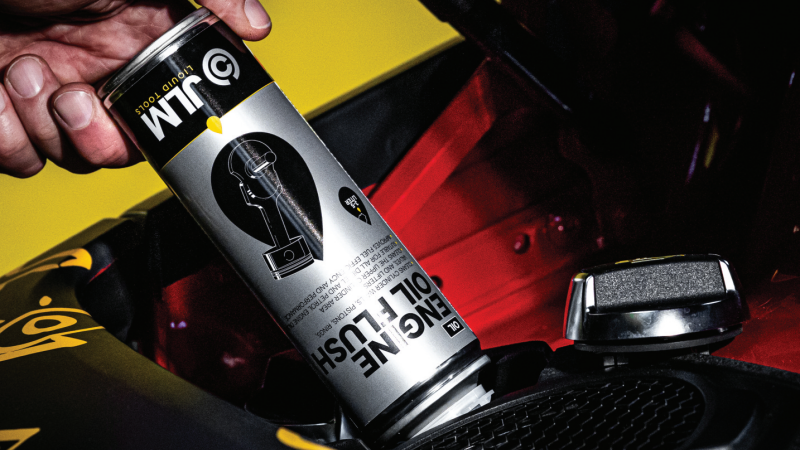
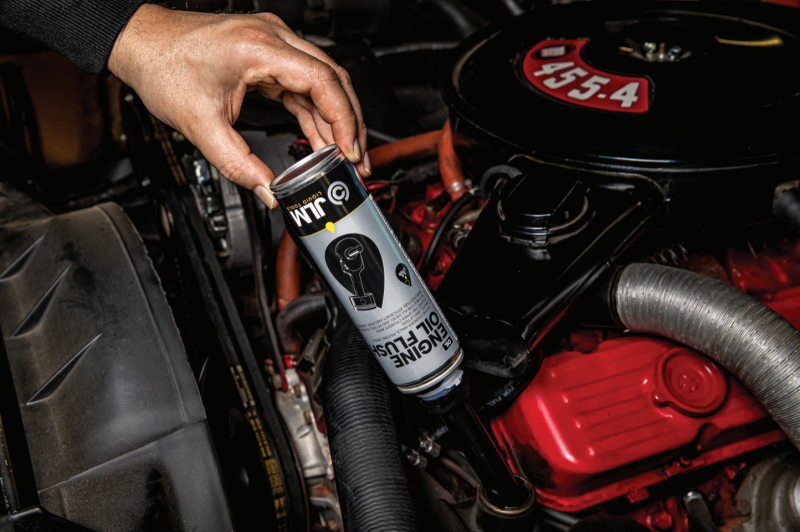
Oil Flush: Use at every oil change. Why put clean oil into a dirty engine? JLM’s Oil Flush uses a gentle cleaning effect which is safe for use with wet belt engines.
-
Oil Stop Smoke: Reduces unwanted play between worn engine components such as piston rings and valve seals and rejuvenates oil seals. This helps to prevent excess oil being burnt off via the exhaust.
-
Oil Stop Leak: Using the latest in seal-swell technology this additive helps restore seal pliability thereby reducing oil consumption. Ideal for older or high mileage engines.
-
Ceramic Engine Protector: Using ceramic nanoparticles this additive can provide better protection during start up and high stress conditions leading to smoother operation and reduced engine noise.
-
Hydraulic Valve Lifter Treatment: Valve lifters can become contaminated with deposits and sludge affecting their performance. This treatment will help to restore correct lifter function leading to reduced valve noise, improved performance and extended engine life.
Avoid the bargain basement
We know from daily conversations with mechanics that poor quality, cheaply priced additives that contain minimal active ingredients do little good and could even harm an engine, especially if motorists have repeatedly used them before conceding defeat and heading to the workshop. JLM Lubricants’ additives, however, contain the optimal proportion of active ingredients and have been subjected to widespread testing by technicians in several countries, before being launched.