Glow plugs remain a vital component for the quick and efficient starting of diesel engines, but also now play an important part in the diesel after treatment process, so their condition matters
Unlike spark plugs, which are subject to vehicle manufacturer (VM) specified replacement intervals, glow plugs generally have no such stipulation, so how do technicians know when they should be replaced?
As with any vehicle component, the glow plug has a lifespan, which would broadly be defined by the number of heat cycles it can go through before it starts losing performance. This is very difficult to correlate with the distance a vehicle travels annually, because it is really associated with the number of engine starts (and latterly diesel after treatment cycles), the glow plugs have to activate for, rather than the distance the vehicle has travelled.
Making matters worse, because the glow plug now has a role in the diesel particulate filter regeneration process, to temporarily raise the temperature of the exhaust gases so they can burn off the soot captured in the filter, they have to work extra hard on vehicles that only travel short distances to activate the process that would happen naturally during the course of its use in a vehicle that travelled longer distances. In short, although vehicles are typically being used less, the glow plugs are having to work harder, which means they need to be replaced more frequently.
Fault finding
As a general rule, the majority of glow plug failures are caused by excessive voltage and/or heat. Although designed to operate between 850 to 1,100 degrees centigrade, when the electrical current to the glow plug is held too long, because of a faulty relay and/or controller, it can lead to overheating, which will cause the glow plug to swell, split or burst and result in immediate failure. Therefore, before replacing a failed glow plug, it is advisable to check the entire electrical ignition system to identify the underlying fault. Overly advanced injection timing, leaky injectors, or diesel running in the engine will cause the combustion temperature to increase too much, which can also damage the glow plugs. So, finding faults quickly will help to minimise engine damage.
What are the most common symptoms of a glow plug fault?
- An engine warning light is the first indicator that there could be a fault in the glow plug or heat temperature sensor
- Difficulty in starting the engine, especially in cold conditions, is an indication that the glow plugs aren’t warming up quickly enough.
- If, when idling, the engine starts to produce white smoke from the exhaust, it could indicate that the glow plugs have burned out. This is especially noticeable under cold start conditions.
- Conversely, black smoke coming from the exhaust, or an increase in fuel consumption, can both also be indicators of glow plug faults
What are the most common glow plug faults?
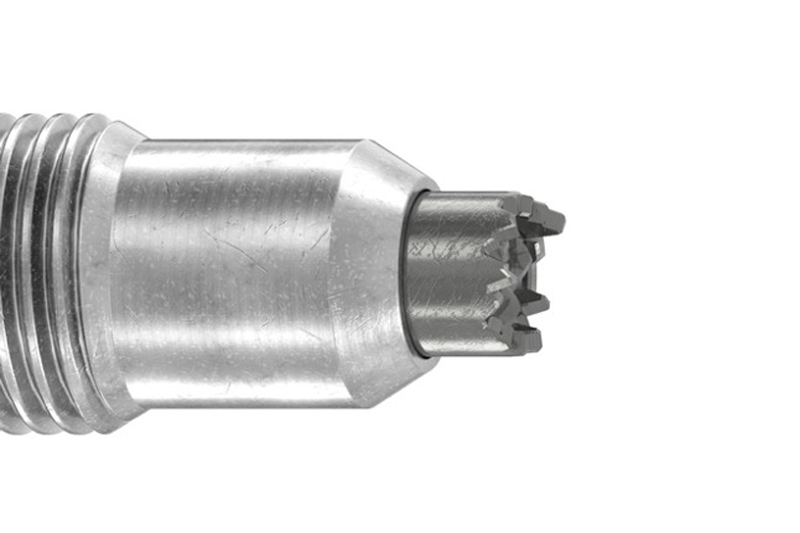
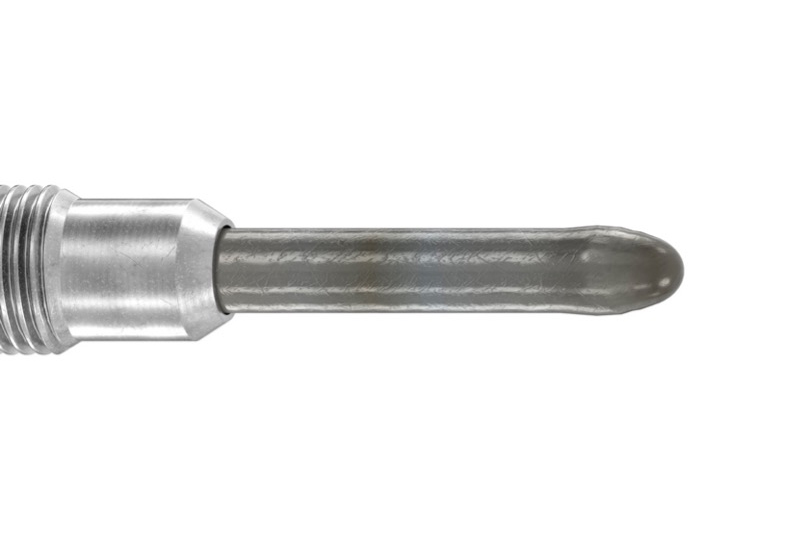
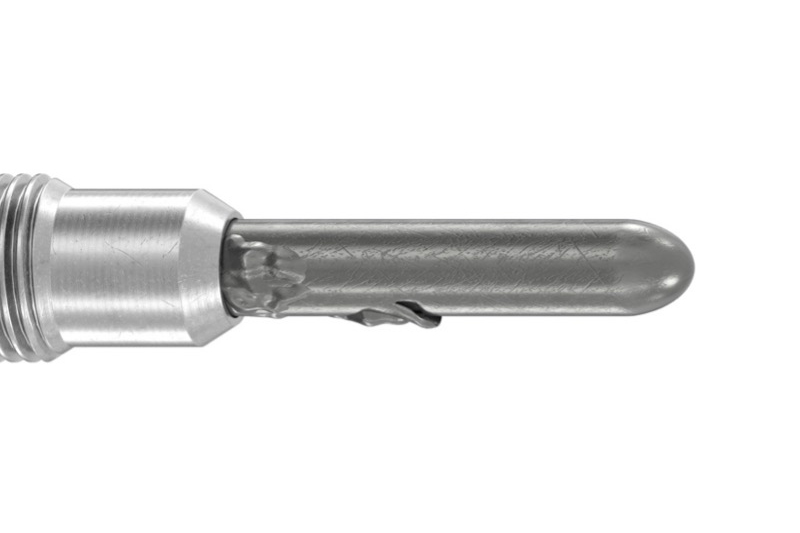
Enlarged probe tips caused by excessive voltage passing through the plug
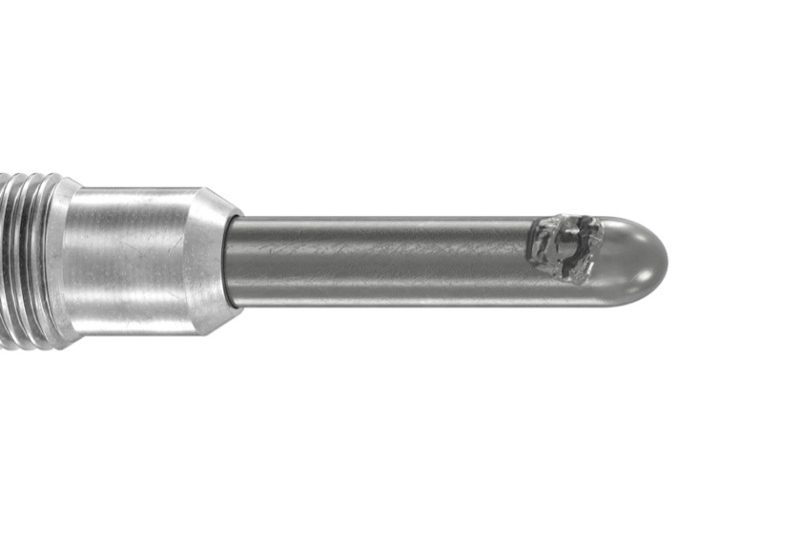
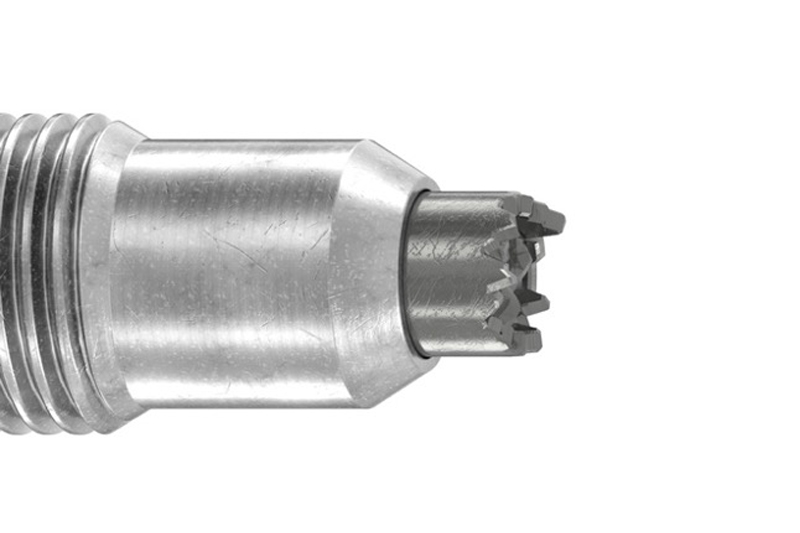
Broken probe tips, also caused by excessive voltage
Swollen probe tips, caused by oil in the combustion chamber, generally due to engine wear
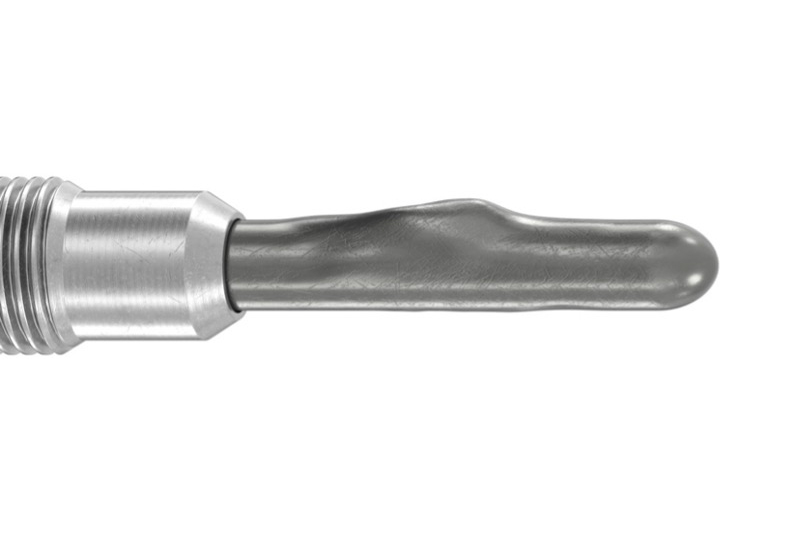
Carbon present on the tip, usually caused by unburnt fuel, leading to carbon accumulation on the tip/body of the glow plug
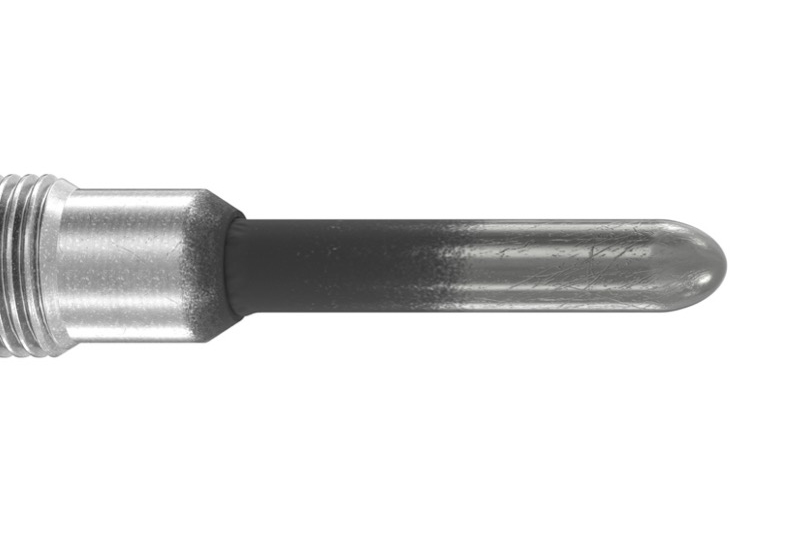
A missing probe, caused by a failure in the glow plug relay, or the glow plug being insufficiently tightened during installation
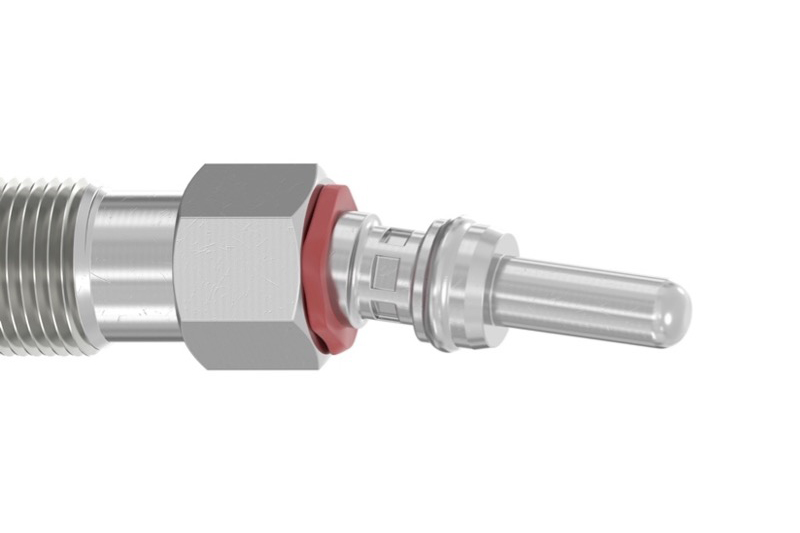
Bent or broken power terminal, caused by overtightening during installation
Holes, cracks or probe melting can be caused by a variety of problems, including a failure in the ignition unit, but also if the glow plug relay fails and sends excess voltage to the plug
Range and availability
The OE quality glow plugs in the DENSO Aftermarket range provide the independent service and repair sector with a comprehensive range of replacement options for the vast majority of the European vehicle parc and is widely available from its distribution partners across Europe.