We asked Sophie Lyden, the Tyre Lady, to provide her thoughts on part worn tyres.
Part-worn tyres are one of those topics that always divides opinion. Some people think they should be banned altogether. Others believe they’re a necessary option for motorists who simply can’t afford brand-new tyres. To tell the truth, I’m somewhere in the middle.
I do believe there is a place for part-worn tyres. Not everyone has hundreds of pounds available when they need tyres, and if the choice is between driving on a dangerous tyre or fitting a safe, correctly inspected part-worn, then I can understand why some people choose that route. But that’s where my issue starts. The problem isn’t part-worn tyres themselves. The problem is the shocking lack of enforcement around them.
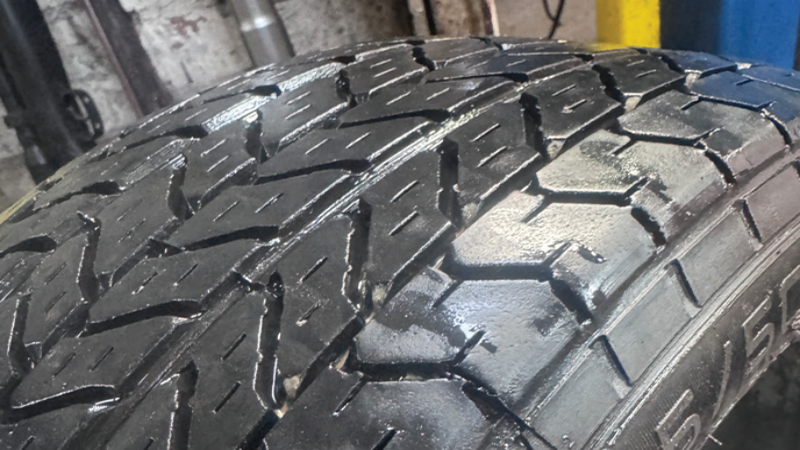
The rules are actually quite clear. Part-worn tyres should be inspected, marked correctly, structurally sound and have a minimum of 2mm tread depth. Yet year after year investigations continue to find illegal and unsafe tyres being sold to unsuspecting motorists.
TyreSafe has found that more than 90 per cent of retailers inspected were breaking the rules and more than 60 per cent of tyres checked were unsafe for sale. Unfortunately, it’s the customer who carries the risk.
Potential damage
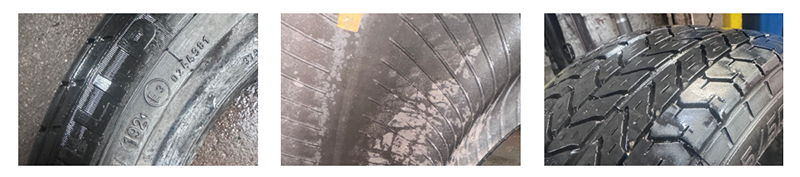
As tyre professionals we see it all the time. Sidewall damage. Poor repairs. Cracking. Old tyres. Dangerous tyres. Tyres that should never have found their way onto a vehicle in the first place. One case that will always stick with me involved a customer who came to us believing she had recently purchased brand-new tyres. When we checked them, they turned out to be 35-year-old Pirellis. Let that sink in for a moment.
The scary part wasn’t the age of the tyres. It was that the customer genuinely believed she’d been sold a safe product.
Now, that’s an extreme example, but it highlights a much bigger problem. Most motorists don’t know how to identify tyre age, previous repairs or hidden damage. They trust that the retailer has done the right checks and supplied a safe product.
False economy
What I struggle with is understanding why some businesses continue to push part-worns when, in many cases, a brand-new budget tyre isn’t much more expensive.
I’ve seen part-worns being sold at prices where a customer could have bought a brand-new tyre with a warranty and known history for similar money. So what are we really offering them? Is it genuinely about helping customers, or is it about profit? That’s probably the uncomfortable question our industry needs to ask itself.
What I find particularly interesting is the difference in scrutiny between new and part-worn tyres. As retailers selling new tyres, we’re expected to comply with a huge number of regulations. Something as simple as failing to display the correct tyre label can result in fines of up to £10,000. Yet at the same time, unsafe part-worn tyres can still find their way onto vehicles with very little oversight.
Responsibility
I’m not against part-worn tyres, and I don’t believe they’re going anywhere overnight. However, I do believe we have a responsibility as an industry to better educate motorists on the true value of buying new. When you consider the warranty, the known history, the safety assurances and the lifespan of the tyre, a new tyre can often be the more cost-effective option.
I also think we need to do a far better job of educating motorists. We spend a lot of time talking to each other as an industry, but not enough time talking to the people driving on these tyres every day. If more motorists understood tyre age, tyre condition, legal requirements and the true value of buying the right product, I genuinely believe many would make different choices.
At the end of the day, every tyre we fit carries responsibility.
The question for our industry is not whether they should be available, but whether we are prepared to ensure they are sold legally, inspected properly and held to the standards that motorists deserve.
At the same time, we need to continue educating consumers. If we can help motorists understand the long-term value, safety and performance benefits of buying new tyres, perhaps over time the demand for part-worns will naturally reduce.