Valeo provides some essential advice for garages faced with the dreaded dual dry clutch being used by Hyundai and Kia in certain models.
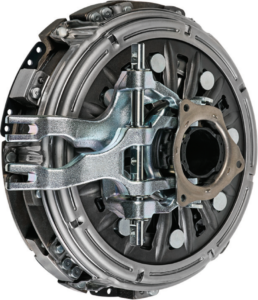
For many garages, the words “dual dry clutch” can suggest a complicated repair involving measurements, calculations and specialist procedures. But it doesn’t have to be that way. Valeo’s Dual Dry Clutch Kits for Hyundai and Kia applications feature 100 per cent shim-free fitting, removing the need for manual depth measurements, tolerance calculations and shim selection while dedicated Valeo tooling is available to support the clutch and actuator installation process.
Dual clutch transmissions are now well established in the UK, including a number of Hyundai and Kia applications. As these vehicles enter the independent aftermarket, garages are increasingly being asked to take on dual dry clutch replacement work.
For a technician who is used to conventional manual clutch replacement, however, a DDC repair can appear more involved. There can be additional procedures to understand, specialist tools to consider and, depending on the clutch design, measurements and calculations that need to be completed before the new clutch can be correctly installed.
That perceived complexity can be enough to make some garages think twice about taking on the job.
Valeo’s approach is designed to make the process more straightforward. One feature in particular can make a significant difference to the technician carrying out the repair: 100 per cent shim-free fitting.
The shim challenge
One of the concerns with some dual dry clutch replacement procedures is the additional measurement and adjustment process. A technician may have to determine clutch depth, calculate tolerances and then use those measurements to establish which shim or combination of shims is required. That adds another stage to the repair – and another opportunity for measurements or calculations to go wrong. For a busy independent garage, this isn’t simply a technical consideration. It can mean additional time spent measuring, checking figures and selecting the correct components before the repair can be completed.
It can also create uncertainty for a technician who doesn’t regularly work on dual dry clutch systems.
The obvious question is therefore: Why make the fitting process more complicated than it needs to be?
This is where Valeo’s Dual Dry Clutch Kits offer a clear advantage.
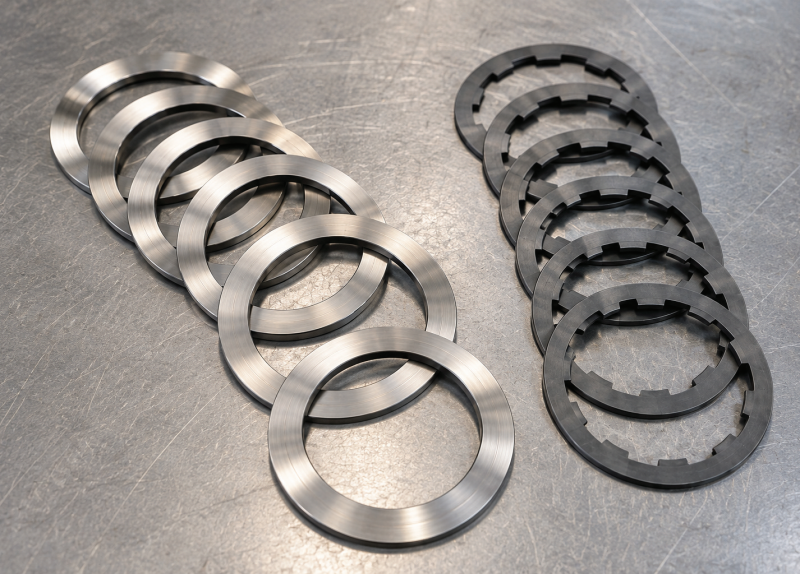
100 per cent Shim-Free Fitting means there is no need for manual clutch depth measurements, tolerance mathematics or shim selection as part of the clutch installation process.
In practical terms, the technician isn’t required to measure the installation depth and then work through a series of calculations to determine which shim combination is required. Instead, Valeo’s design removes that particular part of the fitting process.
What does that mean for the technician?
-
No manual depth measurements: There is no need to carry out the additional manual depth measurement associated with determining the required shim arrangement.
-
No tolerance mathematics: The technician doesn’t have to calculate the relevant tolerances to establish the required shim selection.
-
No shim selection: There is no need to select and install a combination of shims to achieve the required installation dimension.
That doesn’t mean fitting a Valeo DDC is a completely tool-free or procedure-free job. Correct removal, installation, actuator adjustment and calibration still matter. But Valeo removes one of the specific areas of complexity that can make DDC replacement seem daunting in the first place.
Less calculation. Less adjustment. Less opportunity for confusion around shim selection.
A technician doesn’t need to stop and work through a set of depth measurements and tolerance calculations before determining the correct shim arrangement. That means fewer individual stages to manage during the installation.
For garages that don’t regularly replace dual dry clutches, that can make the job feel much more approachable.
And for technicians who already have DDC experience, eliminating an additional measurement and shim-selection procedure can make the installation process more straightforward and repeatable.
Beyond the clutch kit
Valeo’s approach doesn’t stop at the design of the clutch itself. Valeo can also supply dedicated specialist tooling to support the DDC installation and associated actuator procedures.
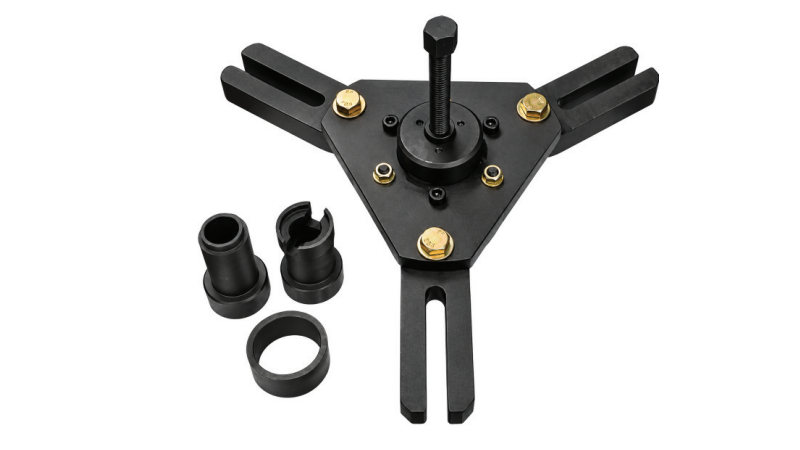
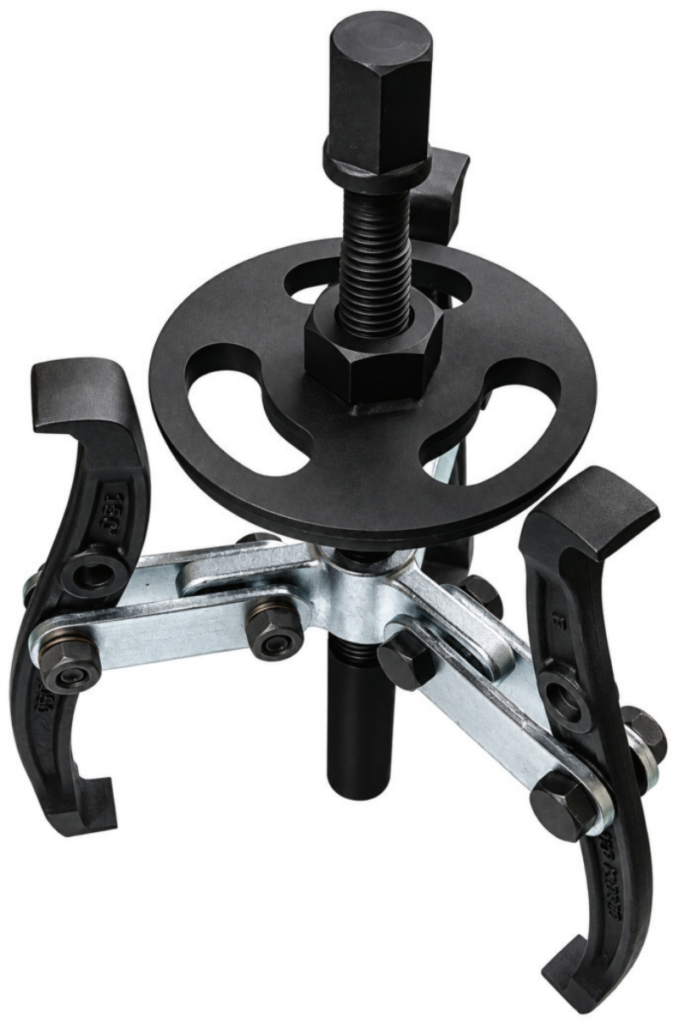
DDC assembly extractor
Removing the existing DDC assembly with a controlled extraction from its seated position on the transmission input shaft. This helps the technician remove the DDC assembly safely and handle it during removal from and installation into the gearbox bellhousing.
DDC assembly installer
Once the new clutch is ready to be fitted, the DDC assembly installer can be used to safely press the DDC assembly onto the transmission input shaft and into the correct seating position. This is important because the DDC assembly needs to be installed correctly rather than simply forced into position.
Actuator rod adjusting tool
The associated actuator system also needs to be correctly adjusted. The actuator rod adjusting tool assists the technician in setting the actuator rod length during the calibration process.
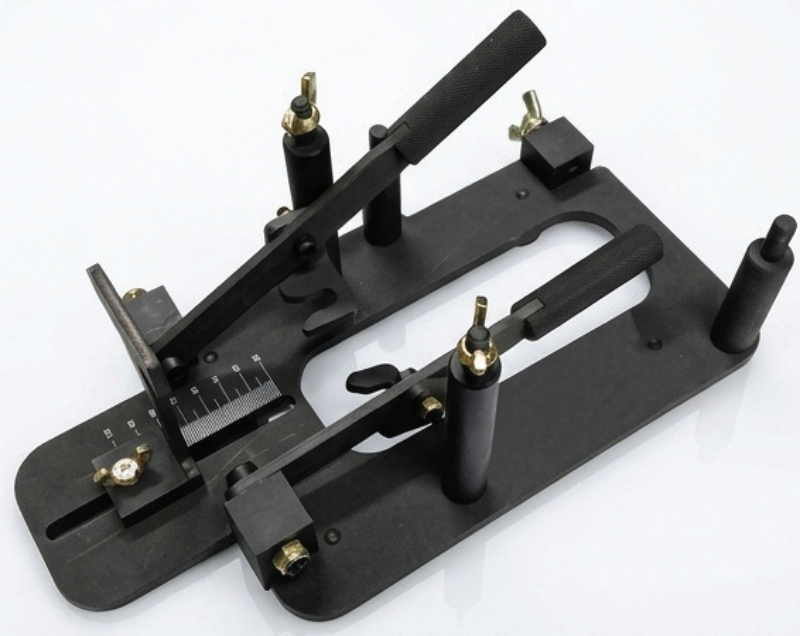
Actuator calibration tool
The actuator calibration tool is used to measure the clutch actuator rods and complete the required calibration measurement. Valeo’s technical information specifically highlights actuator adjustment following DDC installation, with a special jig used as part of the adjustment procedure.
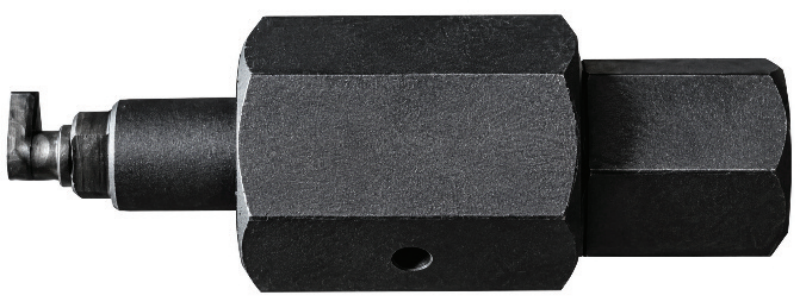
Hybrid rotor coupling installer
For applications incorporating a hybrid rotor coupling, Valeo also offers a Hybrid Rotor Coupling Installer.
This is used together with the DDC assembly installer to correctly install the DDC assembly with the hybrid rotor coupling. This broader tooling provision is important because the job isn’t simply about getting a new clutch into the gearbox. The associated installation and actuator procedures also need to be completed correctly.