
In case any workshops were wondering whether quality engine oils are really necessary, Morris Lubricants’ technical director Adrian Hill is here to dispel that notion.
The formulations for oils used in passenger cars are continually evolving. The correct oil choice is critical to maintaining the car’s operational efficiency, emissions control and its longevity on the road. Also, the correct oils have a role to play in protecting the engine, any aftertreatment devices, gearbox and driveline.
Let’s focus on engine oil first. So, whether diesel, petrol or hybrid engines are used, one of the biggest challenges for engine oils is to provide maximum engine component protection. Using the wrong engine oil, can have a big impact on engine efficiency, cause poor oil circulation as well as give rise to poor sludge and deposit control. These factors can generate major issues leading to the possibility of the engine overheating, putting the engine into limp home mode and at worse causing severe damage to the engine components.
Corrosion control
For all engine types, the wrong oil can lead to poor corrosion control, and you could soon have sticking valves that can reduce engine efficiency. Furthermore, a critical role of the engine oil is to maintain the integrity of any aftertreatment devices fitted to the exhaust system, whilst protecting engine components and this can be a tricky balance.
Aftertreatment devices that are required to control NOx emissions and Particulate Matter (PM) are highly sensitive to engine oil chemistry. Too much sulphur and phosphorous, that are added to the oil formulations for anti-wear performance for example, can poison catalysts used in AdBlue systems. Also, if the engine oil creates too much ash, it can prematurely block diesel and gasoline particulate filters. These are issues which over time may need the aftertreatment device to be replaced.
In diesel engines, the use of the wrong engine oil can cause poor soot control that can lead to accelerated wear, due to its abrasive nature, as well as oil thickening, that can inhibit oil flow resulting in oil starvation and engine failure. Ring soot compaction is another consequence of using the wrong engine oil, that can prematurely wear piston rings and polish cylinder liners, leading to excessive blow-by and reduced power output.
Hybrid engines
Hybrid engines throw additional challenges for the engine oil to overcome. Rapid engine oil circulation from cold, especially under intermittent operation along with fuel and water contamination cause the biggest issues for hybrid engines. Poorly selected engine oils can lead to camshaft, bearing and piston ring wear. The engine oil needs to protect the oil pump from the effects of fuel and water and have increased corrosion control but the oil formulation must also be balanced to protect aftertreatment devices and make sure they do not fail as well. Bear in mind, this could be an engine that has to go from 0-70 mph in seconds! There’s a lot that can go wrong if the incorrect engine oil is used.
This may feel like a lot of information to take in, but the important take home is, use the correct engine oil specifications as set by the Original Equipment Manufacturer, as engine oil formulations are tailored to comply with their demands. If you ignore these, you run the risk of the engine not functioning correctly and possibly catastrophic engine failure.
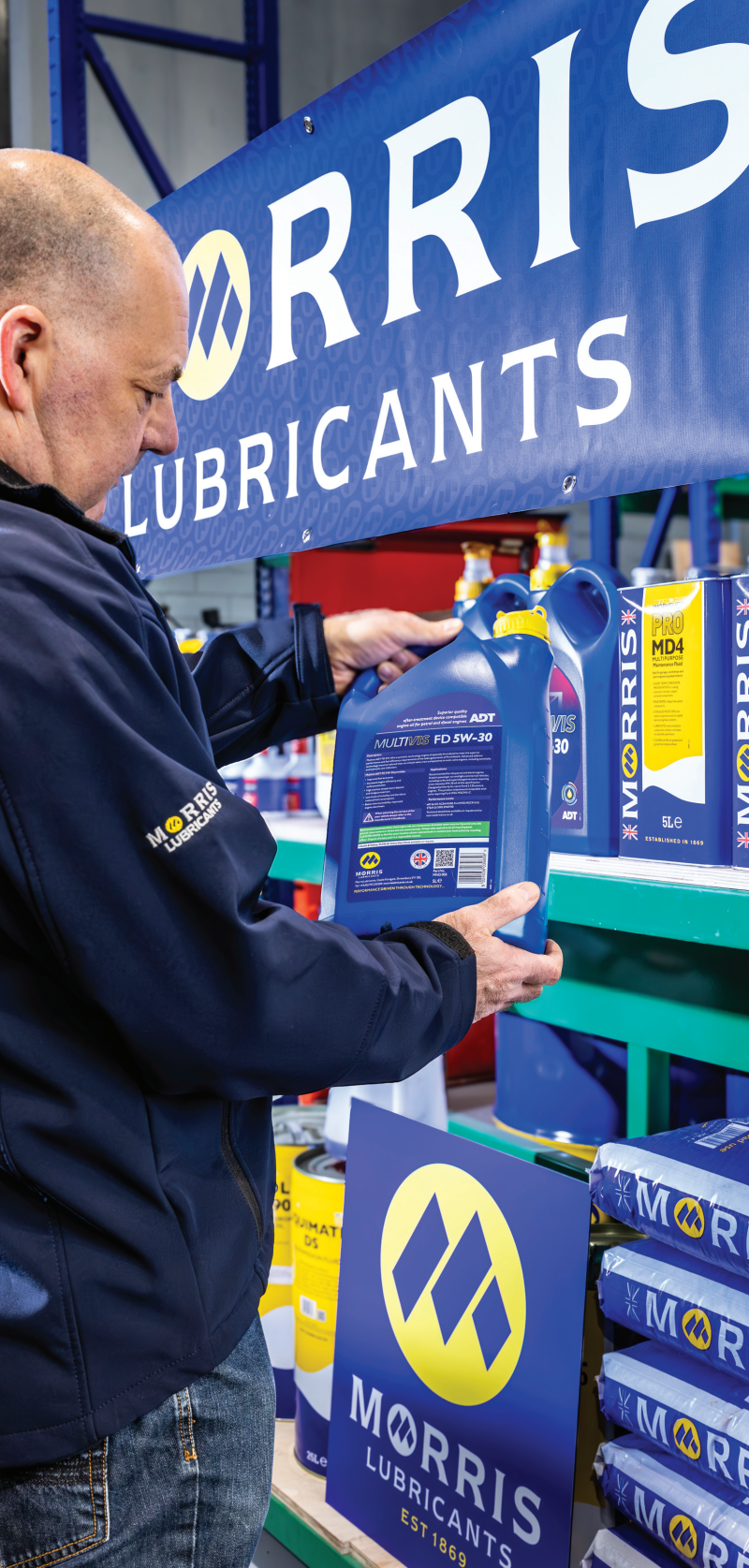
Gearbox and differentials
Of course, gearboxes and differentials shouldn’t be forgotten. Transferring power from the engine to the wheels without energy losses is essential if we want to reduce fuel consumption and reduce harmful emissions. There are of course many options when it comes to transmission types in passenger cars. There are manual, automatic, Dual Clutch Transmissions (DCTs) and Continuously Variable Transmissions (CVTs).
Full autos rely on the positive engagement of brake bands and clutch packs. Slippage saps energy and creates faster rates of gearbox component wear, as well as generating higher running temperatures that once again can have a negative impact on operational efficiency. Manual and DCTs require rapid cold start circulation of the gear oil, which is an essential requirement to ensure bearings are protected, especially if they are splash fed. This will also contribute to improved fuel efficiency. The necessary levels of Extreme Pressure (EP) performance are needed in the gear oil to protect the meshing gear sets and reduce wear, under a variety of workloads. If there isn’t enough, there will be excessive wear and tear. Not a desirable outcome. Under prolonged driving conditions there will be a heat soak that may cause the oil to thermally degrade and form deposits. Deposits will have an impact on the integrity of components, once again causing a fuel efficiency deficit. These gear oils must be stable at high temperatures. In CVTs, protecting the metal belts from wear and minimising any slippage are essential features of the gear oil. Belt wear and slippage affect performance and can lead to power losses and poor fuel efficiency.
The same applies to differentials, that may be part of the gearbox/transmission and that they have the final job of power transfer to the wheels. Differentials also use meshing gear sets and will be subjected to a variety of workloads with the associated heat soak so the correct gear oils should be used.
Online help for choosing
Morris Lubricants understands this level of choice can be a minefield and do provide quick advice via its online oil, lubricant and functional fluid look up tool, WhatOil. This is a fully interrogatable database that provides a full set of oil and antifreeze coolant requirements for a wide range of makes and models of passenger car. Morris Lubricants’ WhatOil can be found on morrislubricants.co.uk.
WhatOil takes away the guess work. By either entering the car’s make and model details or a registration number, the exact oils and antifreeze coolants are displayed to avoid these pitfalls of using the wrong product. The data is quick to access and provides peace of mind.
The data contained in WhatOil has been painstakingly collated through liaison with the OEMs and has been vetted and verified to help ensure accuracy. Each of the oil and antifreeze coolants recommendations have been selected against OEM requirements by an experienced technical team, that has thorough understanding of oil technology and car manufacturer specifications.
This information involves real people with real world knowledge. You may be tempted to do a simple internet search or use Artificial Intelligence (AI) tools to find the correct oil to use. But be aware, as these may provide unverified and possibly inaccurate recommendations and may not be fully trusted.