The growing presence of new Chinese brands in the UK is creating fresh demands for the aftermarket, requiring tools capable of supporting conventional vehicles, electrified platforms and increasingly complex repair processes. Could Xtool provide the answer?
The arrival of a growing number of Chinese vehicles on the UK market is expanding the range of cars that independent garages will be expected to service. Brands such as BYD, MG, Geely, Leapmotor and XPeng are introducing conventional, hybrid and electric models featuring their own electronic architectures, communication protocols and control systems.
This development will require independent garages to progressively broaden their diagnostic capabilities. Addressing it will take more than a tool that can simply read and clear generic OBD fault codes.
Comprehensive passenger vehicle diagnostics
Even on conventionally powered passenger vehicles, increasing electronic complexity requires access to all the vehicle’s systems. Technicians need to be able to read manufacturer-specific fault codes and data, perform full-system scans, carry out bidirectional tests and complete service functions such as resets, adaptations, calibrations and DPF regeneration. Depending on the application, module configuration, coding or programming may also be required.
These requirements are compounded by communication protocols such as CAN FD, DoIP, Ethernet and UDS, as well as security gateways and authentication systems that can restrict access to advanced functions.
It is also important to verify that diagnostic equipment supports the vehicle versions sold in the UK and Europe, as these may differ from models intended for the Chinese domestic market in terms of hardware, software and configuration.
“The growth of Chinese vehicles therefore represents more than an additional layer of complexity. It requires independent garages to prepare themselves with the right equipment, technical information and specialist skills.”
Advanced diagnostics for electrified vehicles
On electric and hybrid vehicles, diagnostics must extend to the traction battery and the entire high voltage system.
A professional diagnostic tool may need to analyse individual cell voltages, internal resistance, battery state of health and insulation status. It should also allow technicians to test components such as electric compressors, onboard chargers and DC/DC converters.
The ability to test batteries and components after they have been removed from the vehicle can help technicians locate faults without repeatedly reinstalling them, reducing the number of operations carried out on the high-voltage system.
Greater workshop efficiency
Diagnostic depth also has a direct impact on workshop efficiency. A full-system scan allows multiple control units to be checked in a single procedure, helping technicians identify related faults and compare the condition of the vehicle before and after a repair. Off-vehicle testing can reduce repeated dismantling, refitting and verification, while diagnostic reports and battery health assessments provide a documented record of the work carried out.
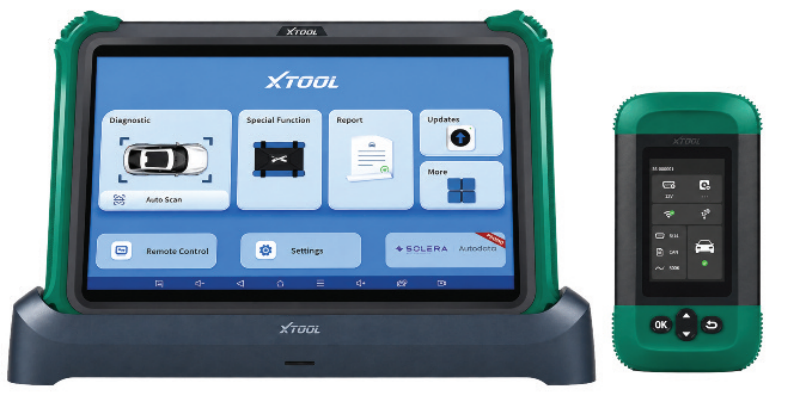
Continuous software updates, technical information, training and support therefore become integral parts of the diagnostic solution, helping technicians reduce fault-finding time and minimise the risk of repeat repairs.
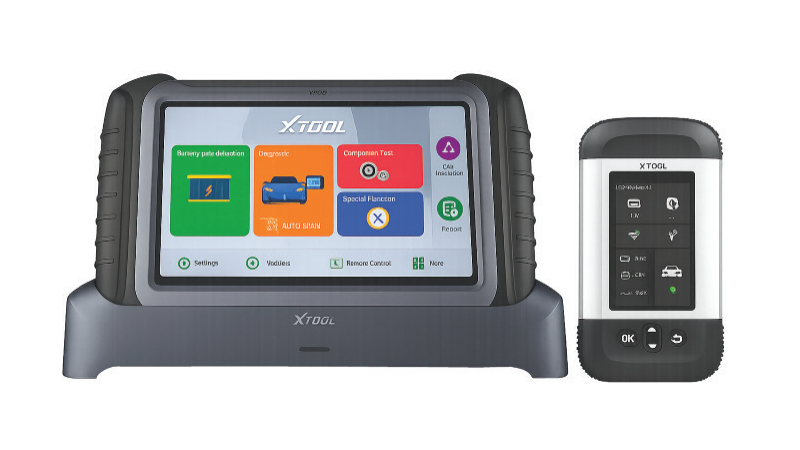
Xtool addresses these requirements through two complementary platforms: Prodigy, designed for comprehensive vehicle diagnostics, active tests and advanced passenger-car functions, and E2 Pro, developed for battery and electrified-system diagnostics.
“Xtool has focused on automotive diagnostics for more than ten years. We did not simply observe the growth of electric vehicles: we anticipated it and prepared for it by investing in research, development and technical expertise,” says Luo Mengjin, head of sales, Xtool.
The growth of Chinese vehicles therefore represents more than an additional layer of complexity. It requires independent garages to prepare themselves with the right equipment, technical information and specialist skills.