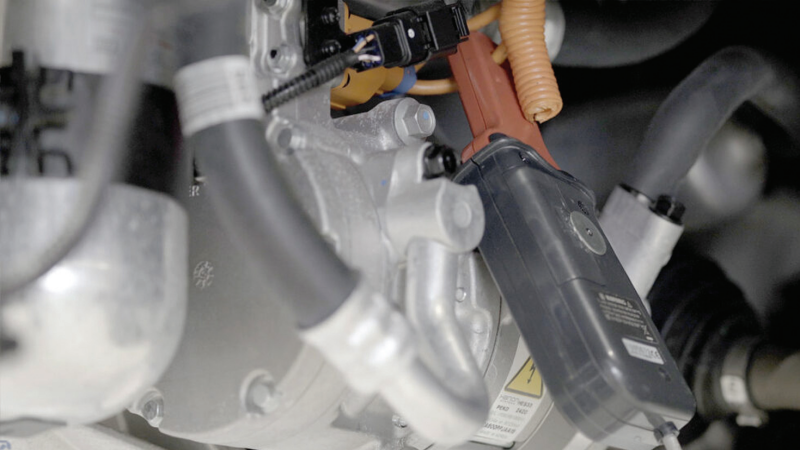
Nissens outlines what you need to know about the increasingly common high voltage electrical compressor.
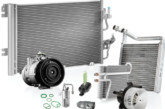
Electrical compressors have now been on the market for a while and they currently power most high voltage air conditioning systems in hybrid and electric vehicles. They have several advantages and there are a couple of special features that differentiate them from a traditional belt driven A/C compressor.
Design and operation
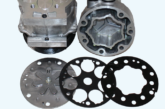
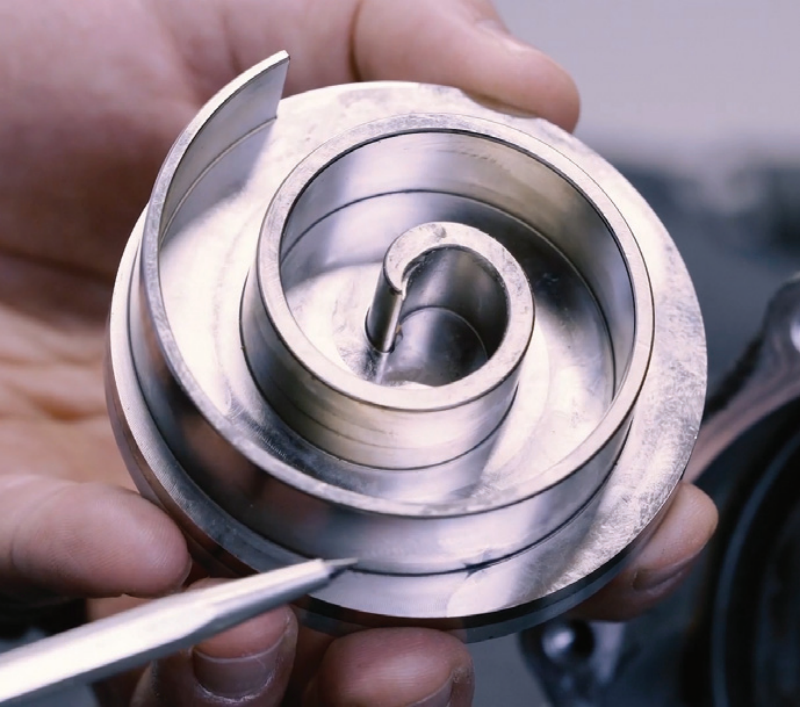
Although still compact in design, electrical compressors circulate refrigerant efficiently around the A/C or heat pump loop using a powerful, high torque electrical motor, employing scroll based technology where the refrigerant is compressed by rotation of a set of spirals. Compared to traditional belt driven units, the design has fewer parts. There are no pistons, wobble plate mechanism or steering valves that traditional compressors have and the only valve in the scroll system is a relatively simple metal valve to steer the refrigerant gas inlet and outlet within the compressor.
Main parts
In short, there are three main parts of the component:
-
Scroll/spiral assembly to compress the refrigerant.
-
3-phase electrical motor that rotates the compressing elements at the heart of the system. Typically, this is a brushless electric motor consists of a rotor magnet and coil stator that operates on high voltage currents above 200-volts. The loop’s refrigerant is used to thermally protect the motor unit.
-
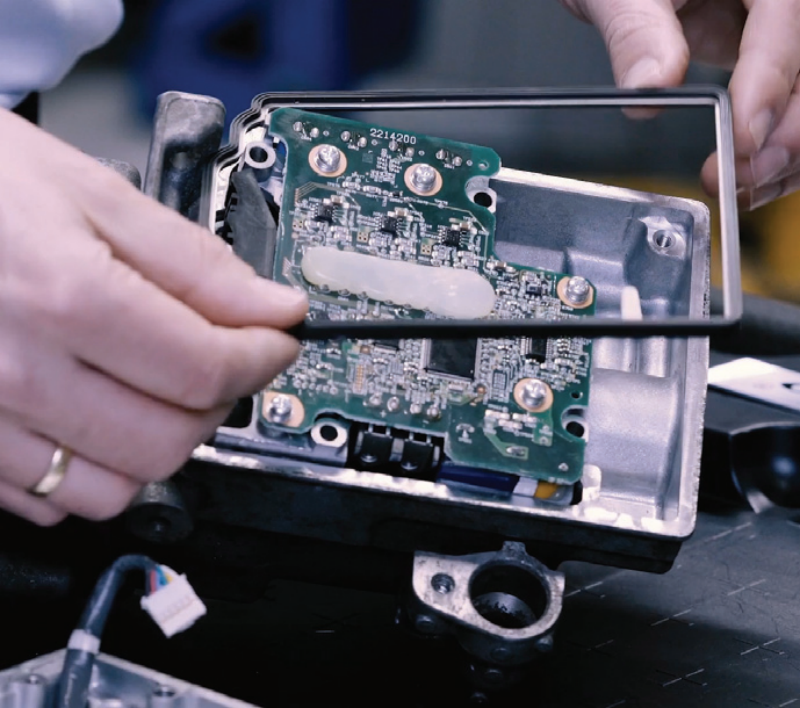
Integrated power inverter module (PIM) to drive and control the operation of the electric compressor motor. It converts the direct current from the vehicle’s high voltage battery pack to alternating current to run the electric motor. The PIM module also consists of hardware and software electronics designed to control the speed of the motor and the output torque of the high voltage compressor.
Many compressor models have two connectors located on the assembly. The larger socket is for the high voltage connection to the vehicle’s battery. For safety reasons, both the socket and the wiring to the battery are bright orange, which indicates high voltage. The second, smaller socket is for the compressor communication with the HV A/C system’s control unit.
The control unit sends input signals to the PIM module, which translates them and directly runs the compressor via voltage signals that control the commanded level of electrical current sent to the electrical motor. The level of the electrical current steers the compressor’s output torque and the frequency of the signal controls the speed of the motor.
Advantages
Electrical compressors are designed with a focus on independence, reliability and energy efficiency and there are several reasons why many new energy vehicles use them.
-
Stable compression, high speed and torque capabilities.
-
Increased efficiency – excellent performance with less energy needed to run the compressor. Precise output control reduces energy consumption and extends the vehicle’s battery life. Operation and speed control of the high voltage compressor occurs through control of the current, which is governed by the PIM.
-
No steering valves or speed sensing is needed.
-
Reliable operation independent from the vehicle drive – the compressor can run even when the vehicle’s electric motor is turned off and the car is not moving. Besides the outstanding capabilities for the AC, the design also enables the use of the compressor for heat pump and heat generation.
-
Quieter and allow for higher speeds – thanks to fewer overall parts, the scroll’s mechanical elements are simpler.
-
Small and compact – as there is no need for a drive belt, it can be sympathetically located in the vehicle’s layout.
Common failures
As with any other compressor, HV A/C compressors can equally suffer from malfunctions when exposed to system failures. However, before blaming the compressor as the root cause of the problem, a trained technician should always thoroughly inspect the system because most compressor breakdowns occur due to other, associated issues.
Electricity: Irregular compressor operation may be linked to erratic electrical signals to, or within its electronic control module, for example. Various symptoms may indicate problems like poor system performance, unusual noise generation, or irregular operation, such as when the vehicle works only in some modes, or does not activate at all.
Physical damage: The HV A/C compressor may also suffer from physical damage, which can cause other severe system failures, excessive friction in the inner parts and noise generation may indicate impaired compressor lubrication, for example. Overheating, moisture in the system or the use of incorrect lubricant are also common causes. Severe defects of the compressor’s inner parts like a breakdown of the scroll mechanism or of the entire compressor are common consequences of an excessive load on the unit.
A lack of lubricant, or its degradation, a liquid refrigerant state or excessive thermal stress can cause some of these defects. Technicians should also be aware that impurities in the system, overdosing on UV dye, or using unauthorised substances like leak-stopping agents, can destroy the compressor.
Lubrication: In common with traditional compressors, lubricant is also critical for electric compressors. Besides lubricating the mechanical parts and cooling them down, the lubricant also insulates the electrical components. Low pressure refrigerant cools the high voltage motor windings as it mixes with the oil. Therefore, the electrical insulation between the compressor’s motor windings and the vehicle chassis ground is crucial. The oil must have an appropriate insulation resistance, so only specific oil types with high resistance capacity and prescribed by the car manufacturer can be used.
Replacement
Keep in mind, before blaming the compressor for a system failure, faults need to be diagnosed thoroughly.
So, before installing a replacement, make sure no other part is causing the failure, otherwise the new compressor will simply fail again. If replacement is necessary, the system must be thoroughly and completely flushed prior to installation.
In addition, only qualified technicians who have received specialised training and certification, and follow the safety rules, using HV specific tools and other consumables designed for HV applications, should replace components within the system.