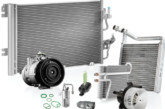
Automotive air conditioning (A/C) compressors play a vital role in vehicle climate control systems by compressing and circulating refrigerant through the A/C circuit. Here, Febi outlines some common problems they face.
As one of the most stressed components in the system, the compressor is prone to various failures and damages that can compromise its performance. Understanding these common types of damage is crucial for effective diagnostics, repair, and prevention strategies in automotive maintenance.
Refrigerant oil starvation
PROBLEM
Oil starvation occurs when the compressor does not receive an adequate supply of lubricating oil. Most A/C compressors rely on oil mixed with the refrigerant to lubricate internal components. Caused by:
-
Low refrigerant charge
-
Blocked or restricted orifice tube/expansion valve
-
Improper oil quantity during installation
-
Leaks in the system causing oil loss
EFFECTS
-
Accelerated wear of pistons and bearings
-
Overheating of internal parts
-
Noise and eventual seizure of the compressor
SOLUTION
-
Use correct refrigerant and oil charge
-
Ensure all lines are clear during service
-
Replace receiver drier or accumulator during major repairs
Contamination (debris and moisture)
PROBLEM
Contamination includes solid particles (metal shavings, carbon, sludge) or moisture entering the compressor. Caused by:
-
Previous compressor failure (especially due to seizure)
-
Leaks allowing moisture ingress
-
Incomplete system flushing during component replacement
EFFECTS
-
Valve and piston scoring
-
Blocked expansion valve or orifice tube
-
Acid formation leading to corrosion
SOLUTION
-
Flush the system thoroughly after compressor failure
-
Replace components such as the filter drier or accumulator
-
Use a vacuum pump to remove moisture before charging
Electrical Failures
PROBLEM
Modern compressors, particularly variable displacement and electric types, rely on solenoids, clutches and control valves. Electrical issues can disable compressor function or cause erratic behaviour. Caused by:
-
Faulty clutch coil or wiring
-
Failed control valve
-
Defective pressure sensors or control modules
EFFECTS
-
No A/C cooling
-
Intermittent operation
-
DTCs (Diagnostic Trouble Codes) in the HVAC system
SOLUTION
-
Verify electrical continuity and signal integrity
-
Inspect connectors for corrosion
-
Use OEM-specified components
Overheating
PROBLEM
Excessive compressor temperatures can damage seals, valves and internal surfaces. Caused by:
-
Insufficient refrigerant
-
Blocked condenser
-
High ambient temperatures combined with poor airflow
-
Excessive engine compartment heat
EFFECTS
-
Oil breakdown
-
Seal failure leading to refrigerant leaks
-
Loss of compressor efficiency
SOLUTION
-
Ensure proper airflow through the condenser
-
Maintain correct refrigerant charge
-
Clean debris from cooling fins
Mechanical Wear and Tear
PROBLEM
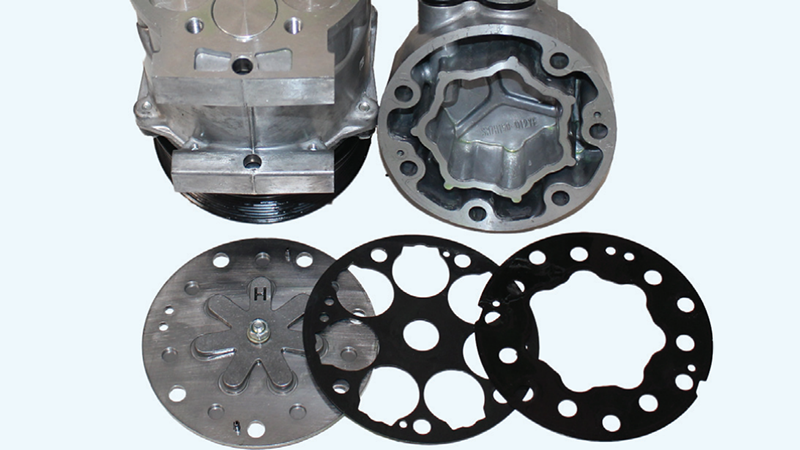
Over time, mechanical components within the compressor (pistons, swash plates, bearings) can wear out due to normal usage or abnormal stress. Caused by:
-
High mileage
-
Poor maintenance
-
System imbalances (high head pressures, cycling issues)
EFFECTS
-
Reduced cooling capacity
-
Noise (knocking, squealing)
-
Compressor failure or seizure
SOLUTION
-
Regular system inspections
-
Avoid running the A/C system with low refrigerant
-
Monitor for abnormal compressor noise or vibration