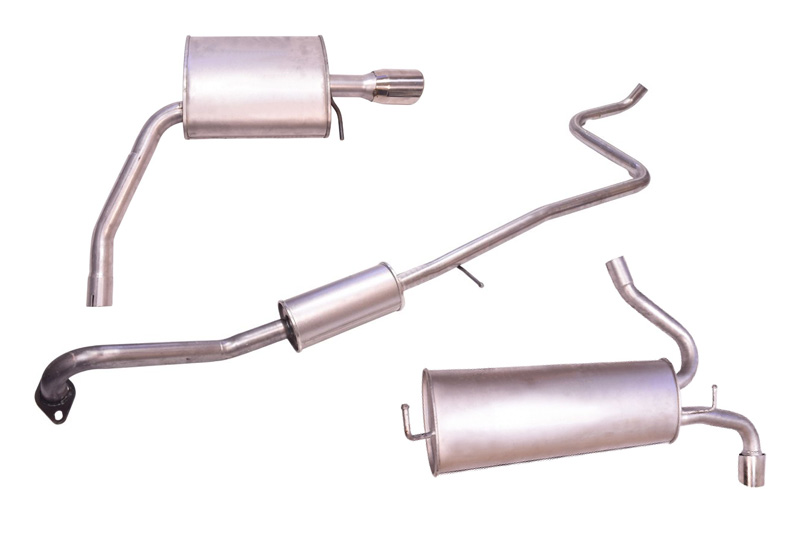
European Exhaust and Catalyst (EEC) is helping technicians understand the impact of exhaust back pressure.
Modern exhaust systems are no longer simple bolt-on replacements. With Euro I through to Euro VI emissions legislation, they are precision engineered components integral to engine management. For workshops, accurately diagnosing exhaust problems protects both the vehicle and the customer’s wallet.
At EEC, we provide workshops with premium components and technical guidance helping garages tackle exhaust issues efficiently and correctly.
Back pressure: The key to performance and emissions
Maintaining correct exhaust back pressure is critical: too high or too low, and performance, fuel economy, and emissions all suffer. A properly functioning exhaust system ensures:
- Accurate combustion efficiency
- Protection for catalytic converters and DPFs
- Reliable lambda sensor readings
- Extended life for exhaust valves and EGR systems
- Maximum fuel economy
Recommendation: Using our exhaust systems ensures correct back pressure and protects the catalytic converter saving your workshop from repeat failures.
Low back pressure: The hidden catalyst killer
Common causes:
- Corrosion holes or porosity in silencers
- Damaged gaskets
- Internal silencer breakdown
When gases escape too quickly, unburnt fuel can reach the catalytic converter, overheating and damaging it. Many workshops make the mistake of replacing the converter without addressing the root cause resulting in repeat failures.
Recommendation: Always inspect the full exhaust system before replacing catalytic converters. Our premium components and guidance prevent costly comebacks.
High back pressure: Power loss and engine damage
Excessive back pressure often comes from:
- Blocked catalytic converters
- Failing DPFs
- Collapsed internal pipework
Symptoms include:
- Reduced power
- Sluggish acceleration
- Higher fuel consumption
Left untreated, this can damage exhaust valves and destroy catalytic converters.
Recommendation: Measure back pressure by connecting a gauge to the exhaust (usually at the manifold or before a DPF/CAT) and reading pressure while the engine runs under load.
Vibration and mounting failures
Worn hangers or engine mounts stress:
- Flexi pipes
- Welded joints
- Flanges
- Catalytic casings
Recommendation: Always fit new mounting components when installing replacements. EEC kits include mountings, preventing vibration-related failures and costly callbacks.
Protecting your workshop and customers
Regular inspections and precise diagnostics prevent comeback jobs and protect your reputation. With EEC’s support, guidance, and premium exhaust components, your workshop can deliver professional, long lasting solutions every time.
Quick tips for technicians:
- Inspect before replacing: Check for leaks, back pressure issues, and worn mounts.
- Use smoke machines: Locate hidden leaks before fitting new parts.
- Measure back pressure: Confirm restriction or low pressure issues.
- Fit new mountings: Prevent vibration-related failures all EEC kits include them.
- Full 4-gas analysis: Include CO₂ and O₂ to identify hidden faults early.
The 4-gas analyser: Your most underused tool
Most workshops rely on CO, HC, and lambda readings. EEC recommends a full 4-gas analysis, including:
- CO
- CO₂
- HC
- O₂
- Lambda
- Engine Temperature
This identifies hidden faults such as small leaks or gasket failures before they damage catalytic converters.
Recommendation: Elevated O₂ before the first lambda sensor often indicates an air leak. Repair first, then reassess emissions don’t just replace the converter.