PMM hits the byways and highways of Surrey on a wintry evening with Ring-OSRAM’s lighting marketing manager Terri Clark to discuss the brand’s Nightbreaker 220 range and the pros and cons of retrofitting LED bulbs.
Terri, tell us about the new Nightbreaker 220 bulbs.
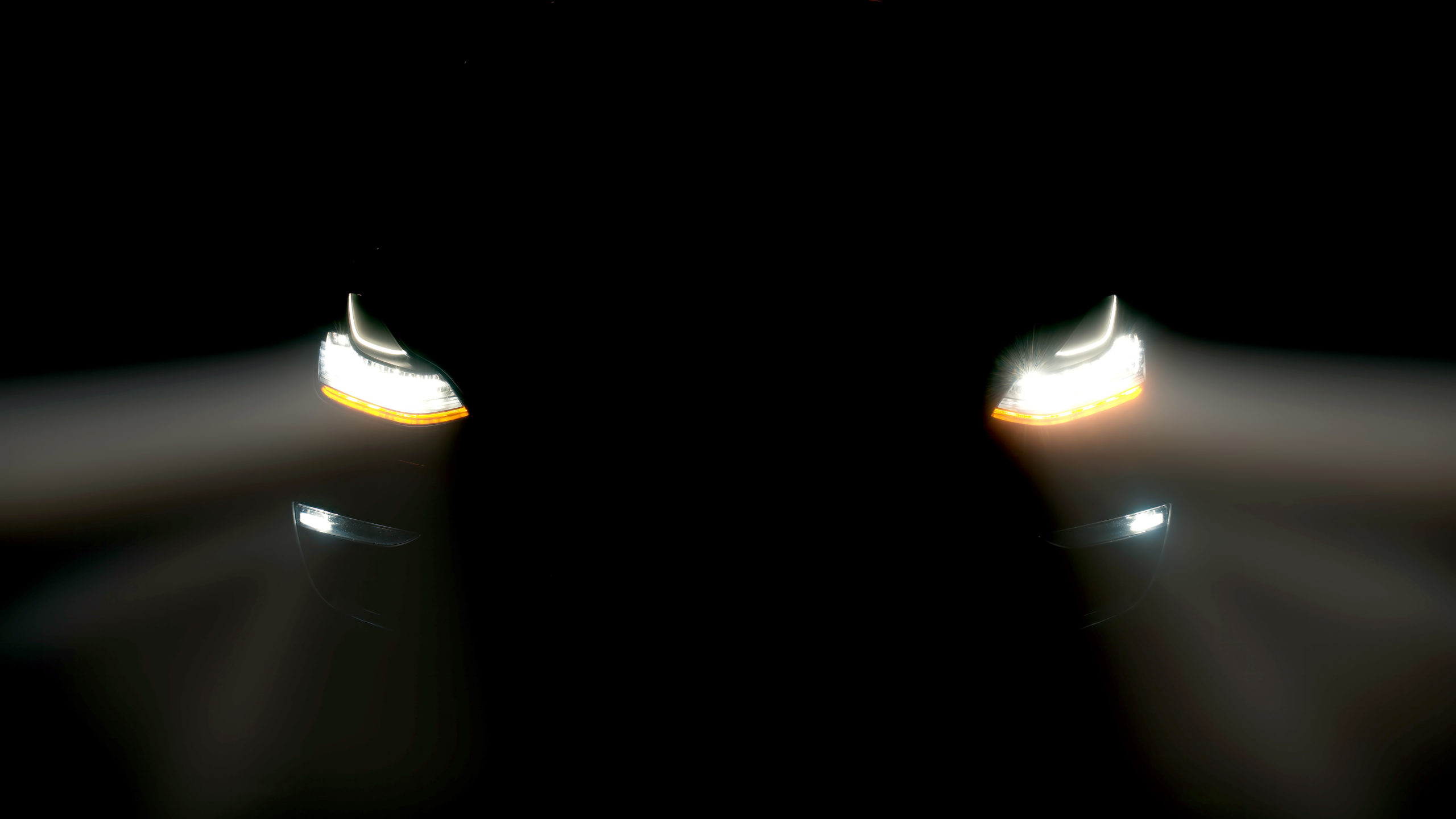
When we launched them they were the first 220 per cent brighter bulbs launched in the UK and across Europe. They’re 20 per cent whiter and give drivers a 150m longer beam on the road ahead. It’s a halogen bulb so it’s a combination of the gases and the tightly coiled filament that produce the brighter, whiter light on the road.
Halogen bulbs have been around for a long time now, 100 years in fact. You’ve got halogen technology, you’ve got HID, high intensity discharge technology and you’ve also got obviously LED coming through, we see that more and more on the roads today. Drivers are going for a whiter light.
What’s the benefit of a whiter light?
Whiter light is to basically give a clearer vision of the road ahead. It highlights and illuminates the road signs and pedestrians on the side of the road a lot more clearly. And at times like this where it’s twilight, where it’s kind of a bit dark, a bit light, that could probably help quite a lot.
What kind of conversations are garages having with drivers around bulbs?
Customers are coming into the garage and they need the new thing at the moment, but I think we’re not really educating them enough. It’s easy for the garage to get hold of all the standard like-for-like replacement bulbs, but I think it’s just making them understand there is a choice to be had when it comes to bulbs.
You’ve recently launched a range for classic cars, right?
Yes, so we’ve just launched the Osram LEDriving HL Vintage range. So this is a range of LED bulbs which of course are for off-road use only because LED is still not ECE-approved for road use in the UK. The range is basically for classic cars ultimately and just giving them an LED option to put into their vehicles. It’s not a bright white light: the purpose of LED vintage is more of a softer lift, I think with 2,700 Kelvins on that particular product.
So it’s not the high brightness that you’ll get from the other LEDs, the 6,000 Kelvins. This is a muted LED bulb specifically targeted to the vintage classic car market.
The good thing about the vintage range is that within the MOT test, cars pre-1986 you can actually fit LED bulbs and they won’t fail the MOT test.
That’s strange. How do the regulations work around bulbs then?
The ECE Regulation 37 was developed years ago regarding the placement of filament inin a bulb, so it’s all around filament placement and by retrofitting an LED bulb in a headlamp, you no longer comply with that EC regulation because it’s LED and not a filament. It’s simply that things haven’t kept up with technology. So LED isn’t approved for use on road in the UK, however, in Ireland it is. And Germany has been working hard to legalise and they have the first street legal LED bulb launched. And that is being approved for use across more and more countries. And one of those countries in particular is Ireland. It’s very close to home.