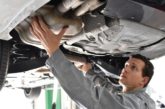
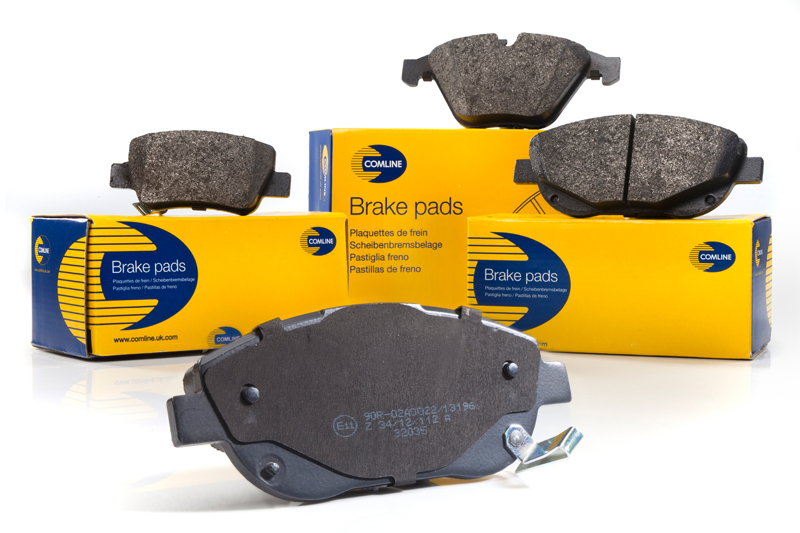
Comline is reminding independent workshops of the importance of not applying copper grease to brake pads.
Comline, the brand of choice for many aftermarket businesses and technicians around the world, is urging independent workshops to reconsider the use of copper-based grease on brake pads, as modern braking systems become ever more reliant on electronic sensors and precise component movement.
While it is not a legal requirement, Comline’s brake pads have never contained copper in its friction formulation. As a result, the company earned the distinguished ‘N’-rated leaf mark from the Automotive Aftermarket Suppliers Association – a recognised symbol of environmental responsibility in friction materials.
However, while copper-free brake pads are becoming more common, some workshops continue to use copper-based greases during brake installation. It is this practice that Comline is now urging the trade to reconsider, as part of its ongoing commitment to brake safety and professional repair standards.
Why should copper grease be avoided?
While copper grease is commonly applied to reduce brake noise, it poses safety pitfalls:
- Interference with ABS and ESP systems: While copper grease is electrically conductive, if it spreads onto wheel speed sensors or electronic components, it can disrupt signal transmission. This can cause faults in ABS or ESP systems.
- Restricted brake pad movement: Copper grease attracts brake dust and road debris. Over time, this accumulates into an abrasive paste that can stop brake pads from moving freely inside the caliper. This can lead to uneven wear, noise or brake binding.
- Rubber seal deterioration: Most copper greases are petroleum-based and should not be used near rubber components. Prolonged contact can cause rubber seals and boots to swell, soften or crack. This can increase the risk of fluid leaks, contamination and reduce braking performance.
Comline’s braking expert, Dr Keith Ellis, said: “This is an important reminder about the threats associated with using copper grease with brake pads. By adhering to this advisory, workshops can ensure a professional repair and ensure motorists don’t return prematurely with issues – maintaining their relationship with the customer.”
Comline supplies a comprehensive range of independently verified ECE R90-approved brake pads, alongside brake discs and calipers. In fact, Comline’s brake pads have been scrutinised further with a series of voluntary tests that validate their real-world performance credentials.
Hot shear testing at 300°C, noise testing at varying speeds and pressure, AK master testing on a dynamometer and wear testing mean Comline is proud to offer a range it calls R90+.
With 800 references covering applications for popular European, Japanese and Korean passenger cars and light commercial vehicles, supported by a robust testing process, Comline’s brake pads are a valuable and dependable option.
PMM Podcast
To listen to Comline discuss its brakes in more detail on the PMM Podcast, click here.