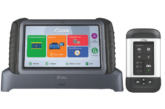
Febi discusses its new intelligent testing device for operating fluids.
What inspired febi to introduce the Fluid Testing Device?
Workshops have long relied on either visual inspection or costly, slow laboratory services to understand fluid condition. We saw a clear gap: professionals needed fast, accurate, on‑site diagnostics without the time delay. The new febi Fluid Testing Device gives workshops advanced, data‑driven insight into vital fluids such as engine oil, brake fluid, transmission fluid, hydraulic oil, and power steering oil – all in-house and in under two hours. This bridges the gap between convenience and technical accuracy while empowering workshops to make confident service decisions.
How does the system actually work behind the scenes?
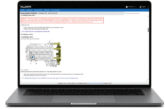
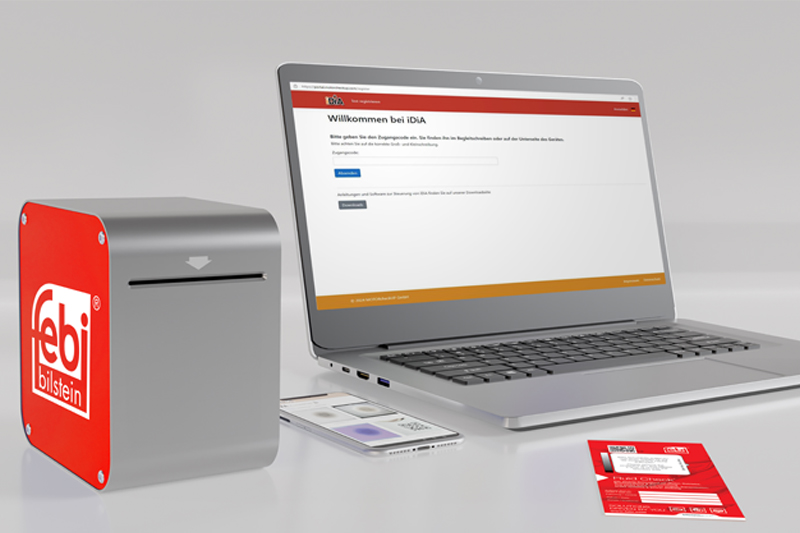
The device uses a unique test strip combined with an AI-driven Online Diagnostic System. After applying a small sample of fluid to the strip and allowing it to dry, the strip is scanned by the device, which captures high‑resolution images. These are uploaded to an intelligent cloud-based platform that analyses indicators like soot density and coking to metal abrasion patterns and contamination markers such as water, coolant or fuel. Within minutes, the workshop receives a PDF report detailing the condition of the fluid and the likely causes of any abnormalities.
What makes this device different from traditional lab testing?
Speed and accessibility. Traditional lab analysis can take days and is significantly more expensive. With febi’s device, workshops get results up to 10x faster, using test strips that are far more cost‑effective than third‑party services. The process requires no specialist training – it’s simply drop, dry, scan, and the device handles the rest. This allows workshops to offer premium diagnostics without outsourcing or delaying customer approvals.
What can the test results reveal about a vehicle’s health?
The system identifies:
- Soot buildup
- Coking and sludge
- Metal abrasion (a warning sign of component wear)
- Fuel contamination
- Water or condensation
- Coolant presence
- Overall fluid degradation
These indicators help prevent engine or system damage long before it becomes a costly failure. Workshops can show customers visual evidence of issues, supporting service recommendations with clear, measurable data.
How do workshops benefit commercially from using this technology?
First, it allows workshops to reinforce trust by showing customers transparent, visual, third‑party analysis. Second, it opens new revenue opportunities by enabling fluid diagnostics as part of routine servicing. Because the process is quick and affordable, workshops can test more often and identify more service needs earlier. The result is increased efficiency, improved customer satisfaction and stronger long‑term relationships – all backed by professional evidence rather than opinion.
What does the setup process look like for workshops?
The system is designed to be plug‑and‑play. Workshops simply:
- Register the device using its unique QR code.
- Connect via USB and install the software (Windows 7, 10 & 11 compatible).
- Register the test strip, again using its QR code.
- Apply the fluid and allow it to dry (2 hours minimum for engine oil; approx. 30 minutes for other fluids).
- Scan the strip using the device.
- Receive a PDF report directly by email within minutes.
Once set up, workshops can also use Wi‑Fi or Bluetooth for fully cable‑free operation.
Is the device tested or recognised by the automotive industry?
Yes. The effectiveness and functional accuracy of the device has been examined under strict conditions by the automotive industry association (Germany). This means workshops can trust that the technology delivers dependable results aligned with industry expectations.
How does this technology support technicians in discussing repairs with customers?
Vehicle owners often struggle to visualise internal engine problems. The febi system turns complex data into clear, intuitive graphics: fuel traces, soot levels, wear particles and contamination are all shown visually. This makes it easy for technicians to justify recommended repairs or fluid changes, backed by tangible evidence rather than subjective judgement. It’s especially useful when dealing with used vehicle assessments or diagnosing potential engine damage early.
What types of vehicles can the device be used on?
It’s suitable for:
- Passenger cars
- Light commercial vehicles
- Heavy commercial vehicles
- Vans
- Agricultural machinery
Any workshop dealing with these can benefit from the tool’s comprehensive diagnostics.