As Comma Oil celebrated 60 years serving the UK aftermarket, the PMM team were invited to come down to their mixing facilities in Gravesend to get a behind-the-scenes look at what goes on.
The oils industry is the perfect encapsulation of modern car repair: Globally sourced, with intensely local appeal. Just as your Mini is now made in Germany or even China, with parts sourced from the four corners of the globe, so too your engine oil is made up of base oils and additives packages that have racked up far more miles than the distance from the mixing plant to your garage.
So why do brands like Comma Oil have such a strong UK following if what’s inside comes from who knows where?
Well, the answer to that is two-fold: Firstly, not all base ingredients are equal, and secondly, the process of mixing is extremely important.
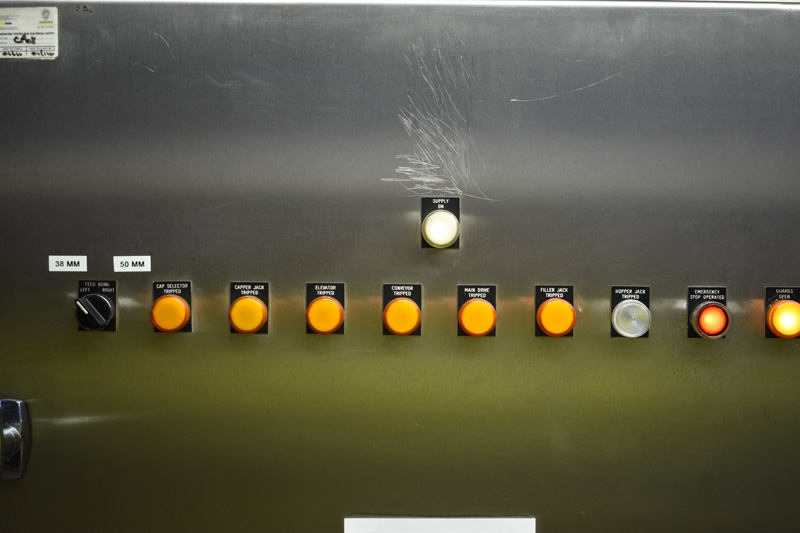
We were taken around the impressive facilities at their headquarters in Gravesend, Kent, where oil for the UK automotive aftermarket market has been mixed since the 60s. Despite having undergone several changes in ownership, the Comma Oil brand and, in fact, many of the staff on the shop floor that bring it to life have remained a constant throughout the years.
So what’s produced at Gravesend and how much of it passes through the gate each week? Well, there are around 900 products in total, including those filled to order. The core product line consists of around 500 individual products, however. The oils are mainly passenger vehicle-focussed. Around a million litres of oil a week leave the site, with a turnaround of about 5 days – so that’s base oil coming in via tanker, being mixed with a complex additives package, packaged and labelled, batched up and shipped out the door once again as engine oil. No mean feat, especially considering the general sense of calm reigning throughout the factory. In fact, you could (but probably shouldn’t) say the whole operation runs like a well-oiled machine…
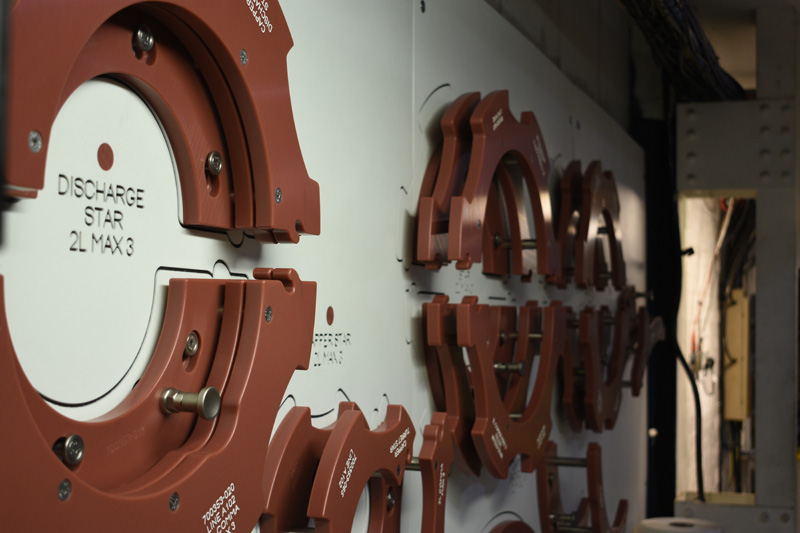
How it all happens
The site itself is huge, comprising around nine acres (with a further four off site), and employees around 100 people engaged on the shop floor. But despite the vastness of the mixing tanks and the packing areas, the entire operation comes down, we are told, to one machine. This “heart of the entire system” controls the exact blend of additive packages and base oils needed for each oil specification, plant manager Josh tells us. Before we can ask, he assures us “don’t worry, there is a back-up system if this one fails. But we’ve never had to use it!”
Base oil arrives in tankers all day long, from the big, established oil suppliers. The contracts, we are told, are done on three-year minimum terms, so reliability and thorough future-planning are essential. You may be surprised to learn that every single batch that comes in gets tested for quality and to check that it meets the strict specifications set by the vehicle manufacturer. Failure to do this, neglecting the high standards demanded by modern vehicles, risks the finished engine oil not performing to the level the vehicle is demanding, potentially resulting in damage to the engine itself.
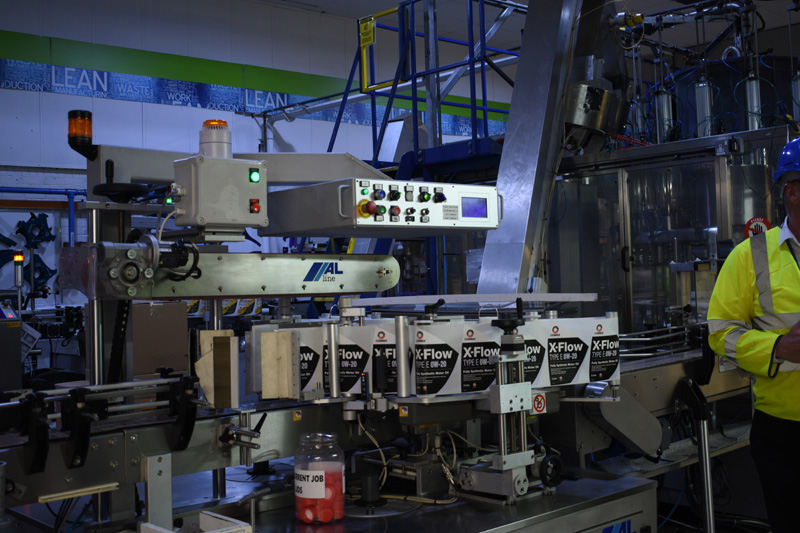
In line with Comma Oil’s commitment to be being “designed for mechanics”, the company has recently introduced its new Bag in a Box line of oils. Essentially, they have replaced plastic bottles with a durable bag inside a rigid cardboard box. This uses 75 per cent less plastic than before, makes the items easier to stack and, thanks to the integrated tap, actually makes pouring oil a lot easier than before.