
Neil Fryer, global head of aftermarket, Phinia, wonders how EVs and ICEs will co-exist in the future?
As vehicles stay on the road for longer, industry adaptability is helping to reduce environmental impact, extend vehicle life, and deliver value to customers.
In mature markets, cars are lasting longer than ever – in the US, the average light vehicle age hit a record 12.8 years in 2025, while in Europe it’s 12.5 years. This reflects a wider trend: drivers are holding onto their vehicles longer, opting for repairs over new vehicle purchase. This matters as every extra year a vehicle stays in service delays the need for energy-intensive manufacturing, keeping emissions and resource use in check.
History shows that the aftermarket holds steady when economies wobble. During the 2008 financial crisis, the COVID-19 pandemic and recent cost-of-living pressures, drivers deferred new vehicle purchases and invested in maintenance instead. In fact, 48 per cent of customers in the UK have reconsidered how they maintain their vehicles because of the costof- living crisis. This means more older vehicles on the roads needing parts, maintenance, and skilled hands to stay there.
Today’s vehicles, whether internal combustion engine or EV, are built with higher-value components. Modern ICE models have advanced electronics and emissions systems. EVs, while simpler mechanically, need reinforced suspension, robust braking, and sophisticated battery management. These higher-value components mean maintenance is more specialised – and more important – than it’s ever been.
In the US alone, over 110 million vehicles fall into the 6-14 year range, where owners expect dependable and affordable repairs. For aftermarket brands, this is a clear opportunity to deliver safe, high-quality parts without pricing drivers out of essential maintenance.
Parts and people for all propulsion types
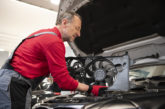
As ICE and EV technologies coexist, the aftermarket must evolve to support both. Many components, like brakes and suspension, are common across propulsion types. Therefore, offering components for every vehicle that needs maintenance or repair is critical to meeting customer needs. At the same time, workshops must gear up to service both technologies.
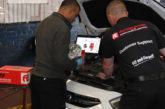
That means training. From São Paulo to Shanghai, technician courses are filling up with professionals seeking EV skills alongside their ICE expertise. And while some new EV brands lack widespread dealer networks, independent workshops are well-placed to step in and support consumers if they invest in the right tools, training, and safety protocols.
As technology advances, so must the workforce. Many experienced technicians are nearing retirement and attracting younger talent has long been a challenge. The image of “dirty hands in a greasy garage” is giving way to clean, tech-rich environments, but there is still work to be done to get this message across. Industry-backed training programs, scholarships, and clear career pathways are vital to ensuring a steady pipeline of skilled workers worldwide.
Sustainability through adaptability
The aftermarket is a key player in the push for greener transportation. Extending vehicle lifespans means fewer scrappages, reduced emissions, and smarter use of resources. All this must be achieved without compromising quality or safety.
The message is the same everywhere: with the right investment in innovation, training, and collaboration, the aftermarket can be the engine that keeps the world moving – and moving cleaner.
![Bosch’s ESI[tronic] diagnostic software](https://pmmonline.co.uk/wp-content/uploads/2026/03/Febi-diagnostics-tool-165x109.jpg)