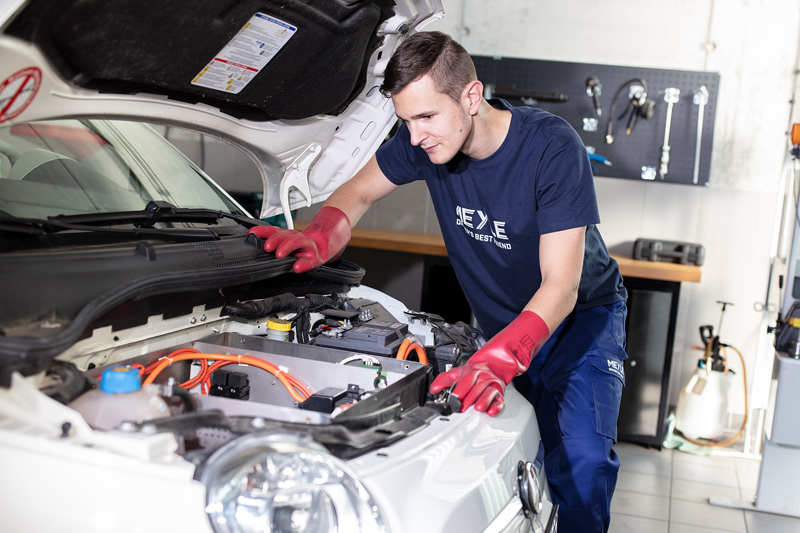
Meyle provides the necessary information you need on servicing and repairing electric vehicles.
The rise of electric vehicles is reshaping the automotive industry at a pace few could have predicted. For independent garages, this shift is both: a challenge and an opportunity. While traditional combustion engines have dominated workshops for decades, EVs bring high-voltage (HV) systems, new safety risks, rapidly evolving technologies, and seemingly new or unfamiliar service procedures. Workshops that adapt now can position themselves as trusted experts in a fast-growing segment, but doing so requires investment in people, equipment, and knowledge.
This article explores the main challenges garages face when working with EVs and, just as importantly, the support that is available to help them overcome these hurdles.
Safety first: Working with highvoltage systems
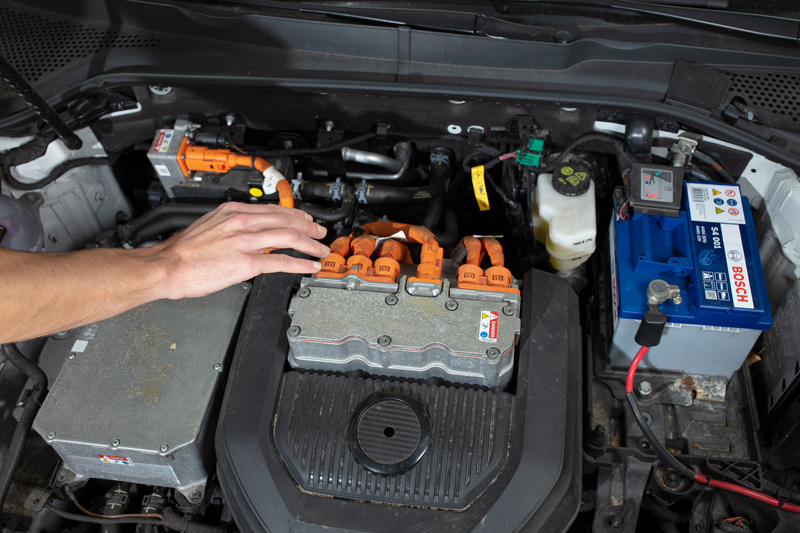
Unlike combustion vehicles, EVs operate at voltages of up to 800V. For untrained staff this presents a real danger of electric shock, severe injury, or even fatal accidents if vehicles are not properly marked or if the stuff is not trained. Technicians need to understand how to safely turn off the high voltage system, use the right tools, and wear appropriate personal protective equipment (PPE).
Support available:
High-voltage training and certification: Most markets now offer structured training levels (e.g., HV-1 to HV-3), enabling technicians to gradually build competence – from basic safety awareness to advanced HV diagnostics and repair.
Hands-on training centres:
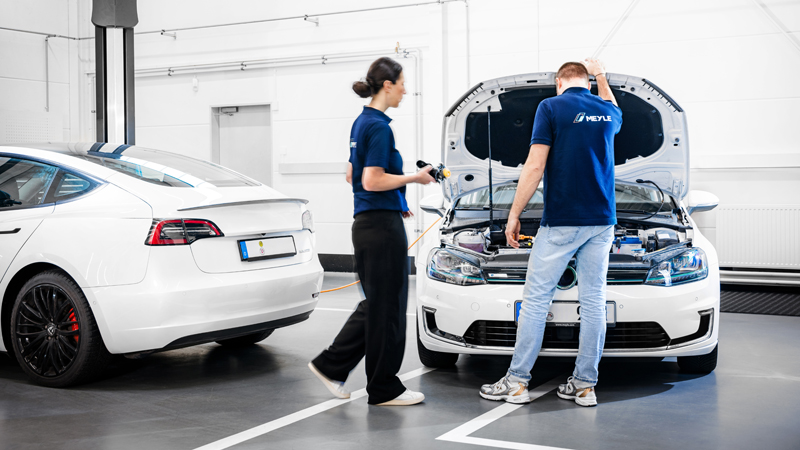
At the MEYLE EV Experience Centre in Hamburg, for example, technicians practice real-world procedures such as safely shutting down Tesla’s high-voltage system, handling HV components, and responding to different error codes.
Safety culture:
Structured training not only prevents accidents but also builds confidence within the team, ensuring all staff feel comfortable working on and around EVs.
Specialised tools, PPE, and vehicle safety
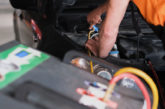
Working on high-voltage vehicles sometimes requires more than the standard tools. Independent garages need insulated hand tools, voltage and insulation testers, and high-voltage rated diagnostic equipment to safely service EV systems. For larger components like battery packs, special lifting equipment or battery jacks may be required to ensure safe handling.
Personal protective equipment (PPE) is essential as well. Technicians are required to use insulated gloves, protective eyewear, and – for certain repairs – flame-resistant clothing whenever working on high-voltage components. Proper footwear and grounding straps can further reduce risk.
Finally, securing the vehicle is critical. High-voltage EVs should be isolated from power sources, properly de-energised, and stabilised before any service begins. Workshops also have to mark high-voltage zones in the service area and implement emergency response procedures to manage potential hazards effectively.
Keeping pace with rapidly evolving technology
EV technology is advancing at a speed rarely seen in the automotive sector. Battery chemistries, inverter systems, software integration, and even suspension designs evolve from one model generation to the next. For independent garages, this creates a steep learning curve and the risk of outdated knowledge. Even though electric cars pose different challenges than combustion engines in some respects, the customer and daily work remains the same – for the most part.
Support available:
Ongoing training programs: MEYLE, for instance, offers a two-day training course at its Hamburg headquarters where workshops can learn directly from experts how to service Tesla models and diagnose common faults. This helps workshops understand the basics and offers hands on knowledge of working on one of the most common electric vehicles. Digital learning platforms: Many suppliers and training institutes now provide e-learning modules and webinars, enabling technicians to update their knowledge more flexibly.
Industry networks:
By connecting with other independent garages through trade associations or technical forums, workshops can share experiences and solutions to EVspecific issues.
Access to technical information and diagnostics
Access to technical data and service procedures remains a major barrier. Proprietary diagnostic software and restricted repair manuals can make life difficult for independent garages. This lack of transparency often leads to longer troubleshooting times and higher costs for workshops.
Tesla, however, stands out as an exception. Thanks to the integrated MCU, much of the diagnostic information is available directly within the vehicle itself. Fault codes, system status, and even certain service instructions can be accessed onscreen, giving technicians a clear advantage when performing maintenance or troubleshooting. This transparency helps streamline work, reduces guesswork, and allows independent garages to approach Tesla service with greater confidence.
Support available:
Leveraging Tesla’s platform: Independent garages can use the MCU to access fault codes, system status, and service information directly, without needing extensive proprietary software. This allows workshops to perform diagnostics more efficiently and reduces reliance on external tools.
Case-based learning:
Training centres simulate real Tesla service cases, helping technicians understand how to interpret MCU data and translate it into efficient repair processes.
Customer awareness and expectation management
A (thankfully changing) common misconception among EV owners is that electric cars require little or no maintenance. In reality, components such as suspension, brakes, tyres, and high-voltage batteries demand the same or even more careful servicing as the ones built into combustion cars. Customers may also underestimate the time and safety procedures required for HV repairs.
Support available:
Customer education tools: Some suppliers provide workshops with brochures, videos, or online content that explain why specialist EV servicing is essential, helping them explain any additional costs that may arise to customers.
Transparent communication:
Trained staff is better equipped to explain why a repair takes longer or why additional safety steps are necessary – building trust rather than frustration.
Value-added services:
Workshops can run short information sessions or provide maintenance guides, positioning themselves as experts and strengthening customer loyalty.
Conclusion
The shift to e-mobility is one of the most profound changes the independent aftermarket has ever faced. High-voltage safety, new equipment requirements, fast moving technology, a new form of data access, and shifting customer expectations all present real hurdles. But these hurdles are not impossible to overcome.
Support is available – from government grants and diagnostic tool providers to aftermarket suppliers and dedicated training facilities. By combining structured training, smart investments, and proactive customer communication, independent garages can not only survive but thrive in the EV era.
![Bosch’s ESI[tronic] diagnostic software](https://pmmonline.co.uk/wp-content/uploads/2026/03/Febi-diagnostics-tool-165x109.jpg)