All workshops have at one point or another been told by a customer, “my air con isn’t blowing cold enough”. Well, that’s what this month’s cover star Auto Air Gloucester is seeking to get to the bottom of.
Understanding the Causes and Best Practices for Repair
It’s a phrase almost every automotive technician hears on a regular basis: “My air con isn’t blowing cold enough.” While it may sound like a simple complaint, diagnosing the root cause of poor air‑conditioning performance can be surprisingly complex. Modern vehicle A/C systems rely on a network of components that must all work together in harmony. When even one part begins to fail, the result can be warm air, intermittent cooling, or a system that doesn’t operate at all.
Here, we take a detailed look at the most common causes of weak A/C performance, along with best‑practice guidance for servicing and maintaining vehicle air‑conditioning systems.
Low refrigerant levels
One of the most frequent causes of poor cooling is low refrigerant. Even a small loss, sometimes as little as 10–15 per cent, can significantly reduce the temperature coming through the vents. Refrigerant doesn’t get “used up,” so if levels are low, there is always a leak somewhere in the system.
Signs of low refrigerant:
- The compressor clutch rapidly cycles on and off
- Reduced cooling, especially at idle
- Bubbles visible in the sight glass (if fitted)
Technicians often look for oil stains on the condenser, compressor body, hoses, or fittings. These stains can indicate where refrigerant and oil have escaped. However, leaks can be extremely small and difficult to locate – even for experienced professionals. Always remember to inspect the service ports, as Schrader valves, caps, and O‑rings are common leak points.
Cooling fans and airflow problems
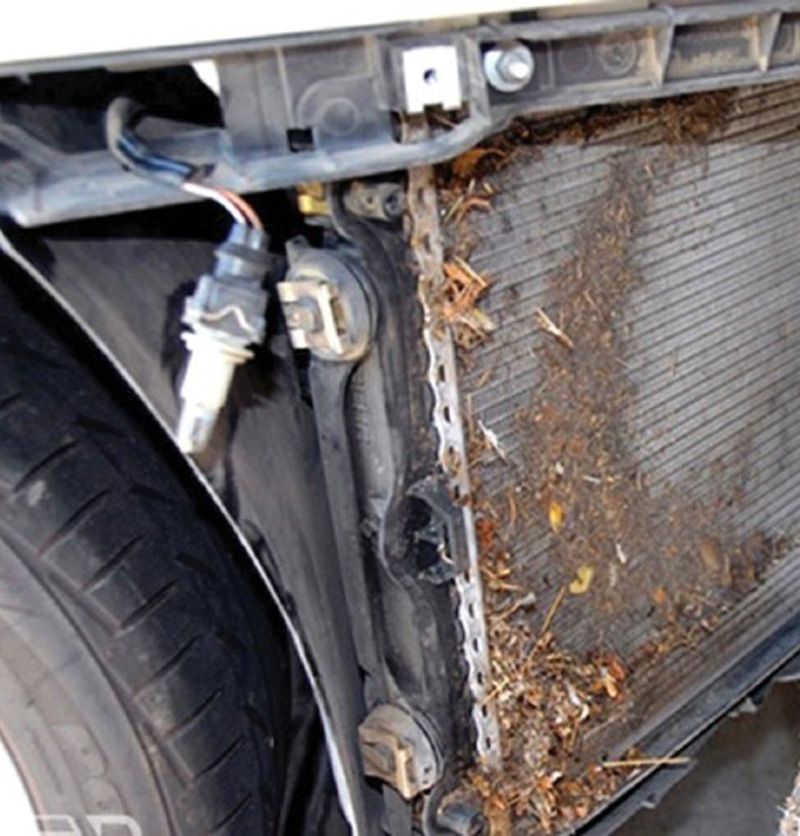
Even with the correct refrigerant charge, the A/C system cannot function properly without adequate airflow across the condenser. When airflow is restricted, refrigerant pressures rise, temperatures increase, and cooling performance drops.
Common airflow issues:
- Cooling fans not operating when the AC is switched on
- Leaves, dirt, or debris blocking the condenser
- Bent or damaged cooling fins
- Blocked cabin air filter restricting airflow inside the vehicle
A quick visual inspection can often reveal external blockages. Ensuring the cooling fans activate when the AC is running is essential, if they don’t, the system will struggle to remove heat.
Compressor and clutch problems
The compressor is the heart of the A/C system, and if it isn’t functioning correctly, cooling will be compromised. With the engine running, blower on maximum, and A/C set to the coldest setting, the compressor clutch should engage. You may hear a click or notice a slight change in engine tone when it does.
If the clutch does not engage, possible causes include:
- Extremely low refrigerant
- Failed clutch assembly
- Electrical issues such as blown fuses, faulty relays, or damaged wiring
- Faulty pressure or temperature sensors preventing activation
A non‑engaging clutch is often a symptom rather than the root cause, so proper diagnosis is essential.
The importance of the accumulator/receiver drier
Many people underestimate the role of the accumulator or receiver drier. These components contain desiccant bags designed to absorb moisture within the A/C system. Moisture is the enemy of air‑conditioning systems: It reacts with refrigerant to form corrosive acids and sludge.
What happens when the desiccant becomes oversaturated?
- Desiccant material can break down and spread through the system
- Blockages form in the expansion valve, orifice tube, or condenser
- Compressor damage becomes likely
- Overall system performance drops dramatically
Despite being relatively inexpensive, driers are often overlooked during repairs. In reality, they should be replaced every time the system is opened or whenever a new compressor is installed.
Contaminated refrigerant and the need for flushing
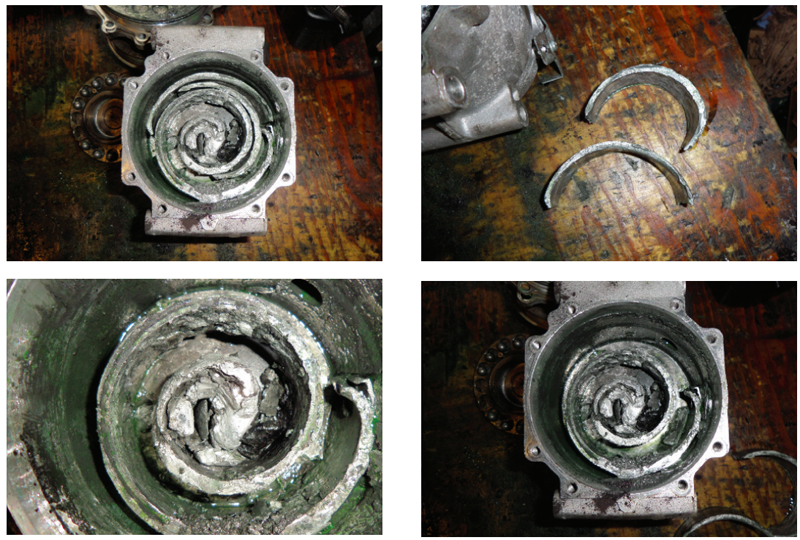
Contaminated refrigerant, often caused by internal corrosion or previous poor‑quality repairs, can cause major damage. Metal particles, sludge, and degraded oil can circulate through the system, blocking components and eventually destroying the compressor.
This is why flushing the system is essential whenever:
- A major component has failed
- The system has been open to the atmosphere
- Contamination is suspected
Skipping this step risks immediate failure of new components.

Electrical and sensor‑related issues
Modern A/C systems rely heavily on electronics. A single faulty sensor can prevent the system from operating correctly.
Potential electrical causes of poor cooling:
- Blown fuses
- Faulty pressure switches
- Temperature sensors sending incorrect readings
- Loose, corroded, or damaged wiring
- Engine control module (ECM) intervention
The ECM can disable the A/C under certain conditions, such as engine overheating or low voltage. Always ensure electrical connections are clean, tight, and secure.
The overlooked cabin air filter
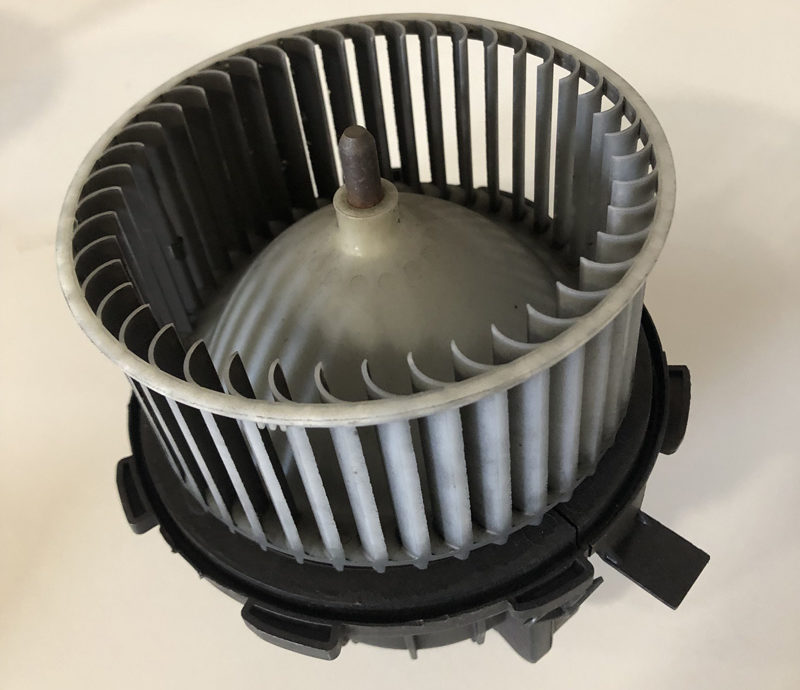
One of the simplest, yet most overlooked, causes of weak cooling is a dirty cabin air filter. When the filter becomes clogged, airflow through the evaporator is restricted, reducing cooling output dramatically.
Replacing the cabin filter is quick, inexpensive, and should be part of routine maintenance.
Best practice advice
Encouraging drivers to run the A/C for around 10 minutes each week, even during winter, helps keep the system lubricated. This circulates refrigerant oil, conditions O‑rings and seals, and reduces the likelihood of leaks developing during long periods of inactivity.
Working on vehicle A/C systems requires skill, knowledge, and the correct equipment. To ensure safe, reliable, and long‑lasting repairs, technicians should always follow industry best practices.
- Onlyqualified technicians should service A/C systems
A/C systems operate under high pressure and require specialist tools. A trained technician can correctly diagnose faults, handle refrigerant safely, and ensure the system is restored to full working order.
- Usehigh‑quality components
Cheap parts often lead to repeat failures. Using reputable brands ensures reliability, performance, and customer satisfaction. Fit once, fit right.
- Prepare thesystem properly before installing new parts
This includes:
- Flushing the system
- Replacing the drier/accumulator
- Installing a new expansion valve or orifice tube
- Ensuring all lines and components are clean and free from debris
These parts act as filters and are essential for protecting the compressor and maintaining correct system operation.
- Followmanufacturer instructions
Always use the correct type and quantity of oil, torque settings, and installation procedures. Incorrect oil levels are a leading cause of compressor failure.
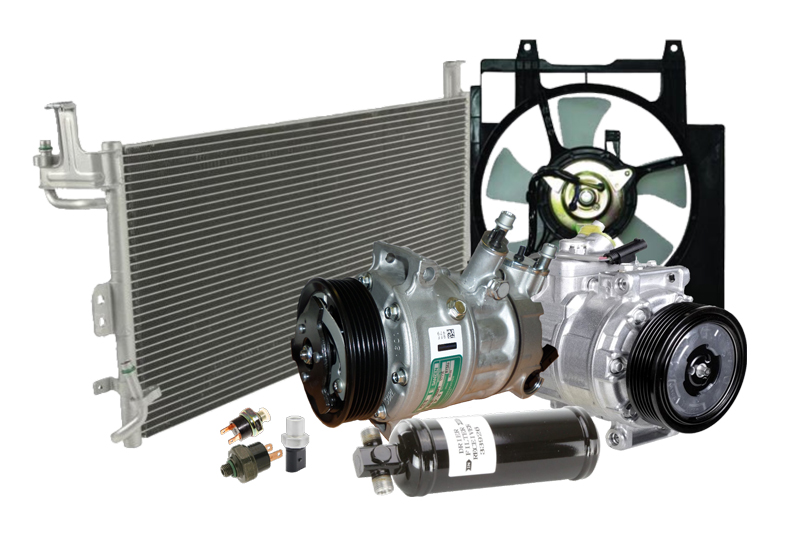
It’s important to use reliable parts you can trust. Coolzone quality components are available from reputable motor factors across the UK. Choosing high‑quality parts gives technicians confidence in the repairs they carry out and ensures customers receive the cooling performance they expect.