Why was the Peugeot 406 Estate experiencing an electrical fault?
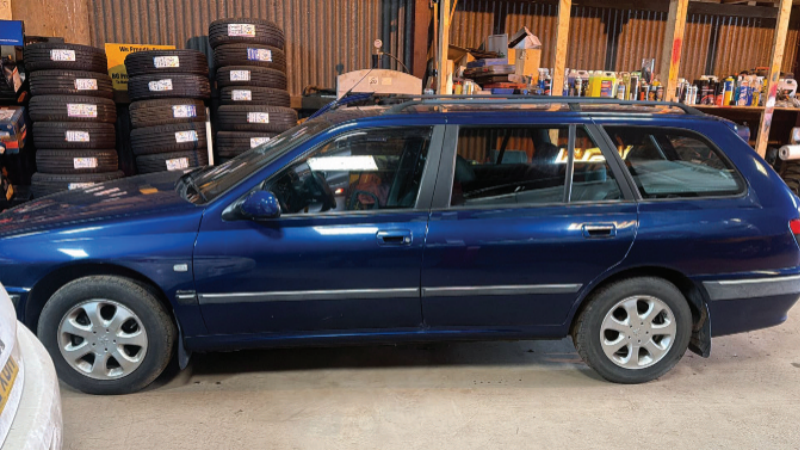
Once a vehicle reaches a certain age, every fault presents a new temptation to simply consign it to the scrap yard. But when a vehicle is otherwise working well, the best thing is to find the right solution and give it a new lease of life. That’s exactly what ALLDATA enabled one garage to do recently with a Peugeot 406 which has been going for a quarter of a century.
ALLDATA Europe’s Info Centre recently supported a specialist workshop with a diagnosis of an electrical fault on a 2001 Peugeot 406 Estate. After several unsuccessful repairs elsewhere and many components replaced, the vehicle was considered for scrap — before ALLDATA came to the workshop’s aid.
The problem
A persistent electrical fault had not been resolved, with two important symptoms present: The battery charging warning lamp remained on, despite the charging system appearing to be working correctly, and the heater blower was broken. Previous repair attempts included three alternator replacements, a wiring repair and even a new Body Systems Interface module. None of these fixed the issue.
The solution
During these diagnosis assessments and repair attempts, it became clear that this vehicle was part of a transitional period for PSA Group electrical architecture. Peugeot and Citroën were moving from conventional wiring systems to multiplexed networks and CAN bus technology, resulting in variations in component locations and circuit design between seemingly identical models.
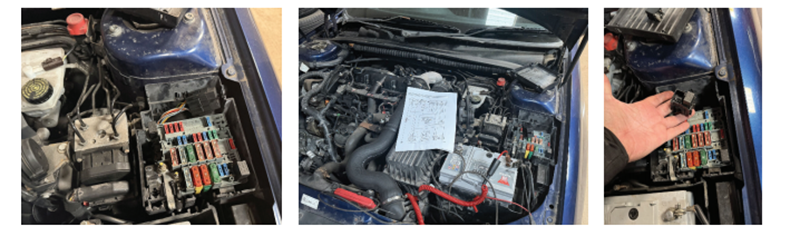
Initial investigation using the OEM wiring diagrams available through ALLDATA showed an engine-running relay within the affected circuit; however, while the diagram confirmed its existence, its physical location was not clear.
With this information, the technician quickly located the relay and performed bypass testing. This restored system operation and confirmed the fault path. Further testing showed the vehicle’s true wiring, narrowing the diagnosis to the alternator — despite multiple replacements. With access to genuine OEM data, though, the technician could fit a replacement alternator with confidence and knowledge that the faults would be resolved.
OEM wiring information
Without access to the original OEM wiring information and supporting manufacturer documentation, it is likely the workshop would have replaced more components, while the customer would have faced additional labour costs and uncertainty as to the fate of their vehicle. Instead, the root cause was found, allowing a vehicle that was considered for scrap to be put back on the road.
Electrical faults on transitional vehicle platforms can be challenging. Production changes, evolving electrical architectures and differing component locations can make diagnosis difficult. This Inside Intelligence bulletin, however, demonstrates the value of combining OEM repair information with expert technical support.