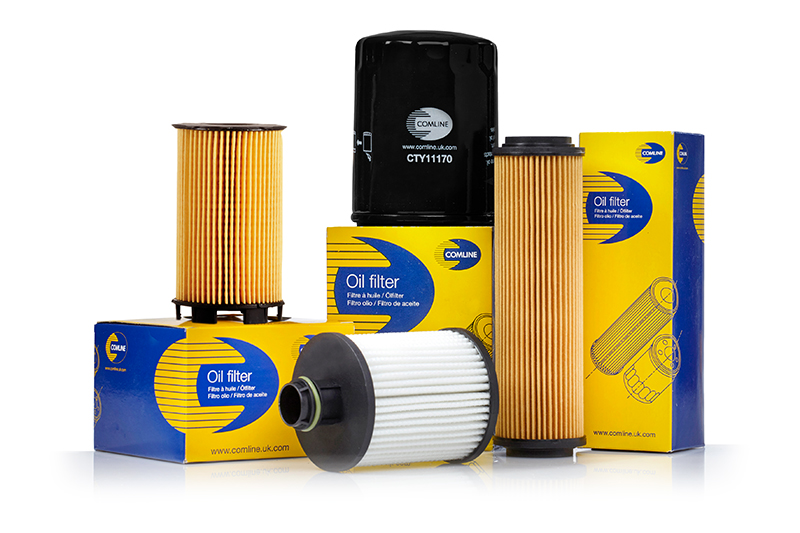
Comline has revealed why choosing a high-quality filter could be the most effective way of preventing catastrophic engine failure, strengthening a workshop’s reputation and saving motorists from unnecessary spend.
Not all filters are created equal; a premium oil filter will shield an engine from harmful contaminants and keep oil flowing smoothly, but a poorly made filter? Thin or uneven filter media, weak bonding or shoddy construction can let tiny metal particles, dirt and sludge slip through.
Worse still, if the filter collapses or clogs early, oil flow is restricted, and abrasive particles start circulating through bearings, pistons and camshafts. The result is accelerated wear, potential engine seizure and the nightmare scenario: total engine replacement.
For workshops, the fallout isn’t just a hefty repair bill for the customer. There’s also the risk of long-term reputational damage if questions are raised about the quality of parts used.
Why thinner oils demand premium filters
Vehicle manufacturers worldwide are under pressure to meet ever-stricter emissions standards, such as Euro 6 and 7. One solution has been the move to low-viscosity oils, like 0W-8 and 0W-12, to boost fuel efficiency. But these ultra-thin oils create a much narrower protective film between moving parts. Suddenly, even microscopic contaminants, once considered harmless, can breach the oil film and cause direct metal-to-metal contact.
That’s where premium filters reportedly come into their own. Using synthetic or multi-layered media, they trap particles as small as 10 microns, protecting vital engine components from wear. With service intervals stretching up to 20,000 miles, these filters are built with a large dirt-holding capacity to prevent oil bypassing and ensure only clean oil circulates. Features like silicone anti-drain back valves, which stay flexible in extreme temperatures, guarantee instant lubrication at start-up and reduce the risk of dry starts.
Ultimately, premium filters, like those from Comline, are said to be indispensable for maintaining engine performance, efficiency and longevity.
Premium versus low-quality oil filters: Key differences
- Filter media: Premium filters use advanced synthetic or blended media to trap finer contaminants (10-20 microns) and last longer. Substandard filters use basic cellulose that breaks down quickly and lets more debris through
- Filtration efficiency: High-end filters reach 95-99% efficiency at standard particle sizes, ensuring better contaminant removal. Lower-tier filters seldom meet these levels, allowing harmful debris into the engine
- Construction: Quality filters feature strong metal components and reinforced designs that maintain shape under pressure. Budget filters use weaker materials prone to collapse, risking unfiltered oil flow
- Valves: Premium versions have silicone anti-drain back valves and precisely tuned bypass valves for reliable lubrication. Substandard ones use lower-grade rubber that deteriorates faster and unreliable bypass valves.
- Seals: Quality filters include durable, high-temperature seals for leak-free performance. Lesser filters may use inferior rubber that degrades quickly, causing leaks and reduced protection.
What should workshops look out for in 2026?
As the industry emerges from the Christmas and New Year period, combined with the winter weather, it is likely workshops will be visiting motor factors for filters in the weeks ahead. But what does Comline think the rest of 2026 holds? It has picked out three potential trends:
- Rise of renewable diesels: With hydrotreated vegetable oil and higher biodiesel blends becoming more common, fuel filters are facing new challenges. These renewable fuels can act as solvents, loosening deposits in older tanks and potentially causing first-time blockages. Be ready for increased filter demand as a result
- Smart filtration: While not yet widespread in the aftermarket, smart filtration is on the way. Newer vehicles are starting to feature sensors that monitor filter pressure in real time, moving beyond the old mileage sticker or service interval. This shift will require new diagnostic skills and extra attention during service
- Cleaner replacement: Euro 7 standards are raising the bar for cleanliness – even when changing the filter! There’s a clear move towards sealed cartridge systems, which are cleaner and reduce the risk of contamination compared to traditional spin-on filters. Expect to see more of these in workshops soon.